BODY COUNT: TODD SERLIN AND THE AESTHETICS OF WITNESS
“Who is this person? The empty space becomes active, not a void, but a site for imagination, projection, and a gentle confrontation with our own assumptions.”
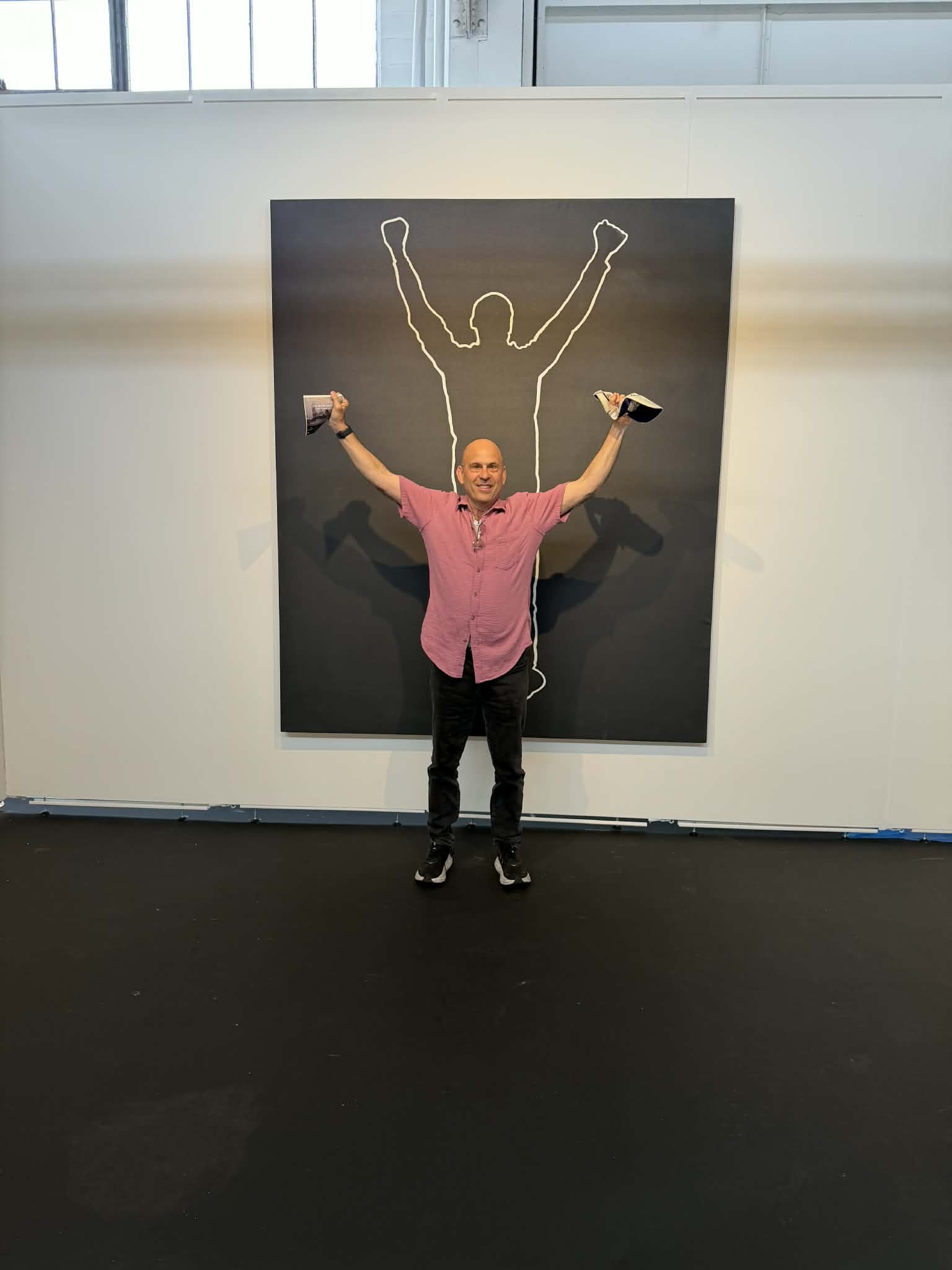
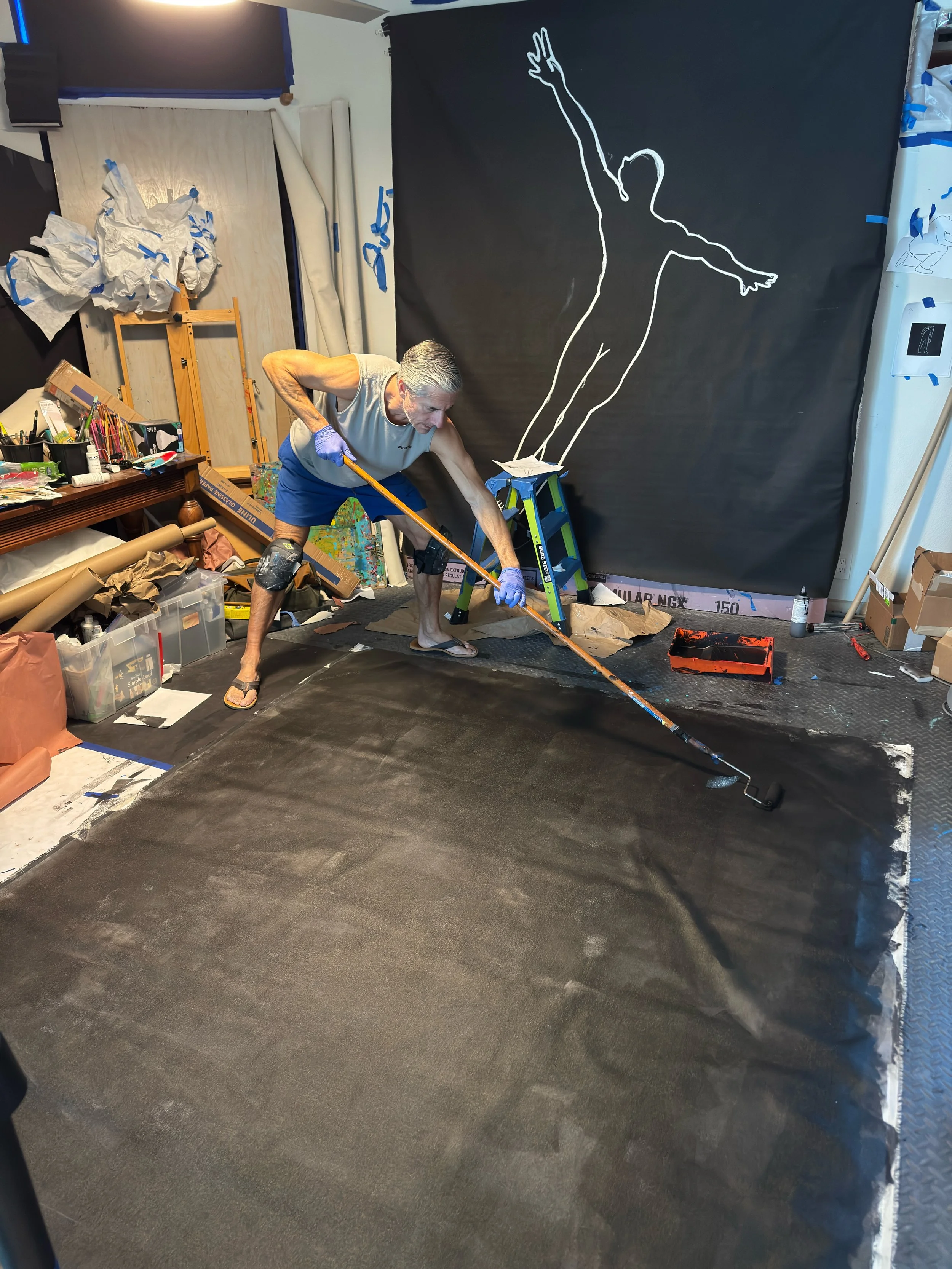
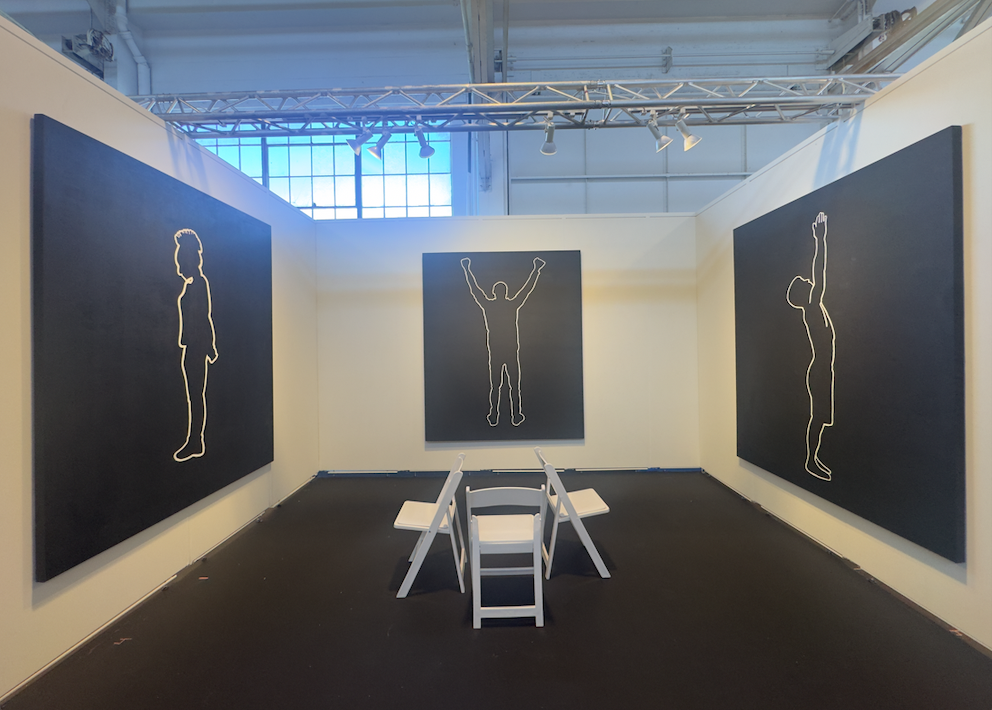
Employing stark, enigmatic silhouettes as a form of sharpened restraint, artist Todd Serlin’s newest series, Body Count, makes a choice as intentional as it is unsettling. A single continuous line, unbroken and assertive, unmistakably human, defines the figure’s edge, yet everything inside that boundary is withheld. The image thrives on that tension: presence pressed against absence. It is individuality held alongside anonymity; stillness charged with the possibility of movement. The figure stands with agency yet refuses to be pinned to a tidy narrative.
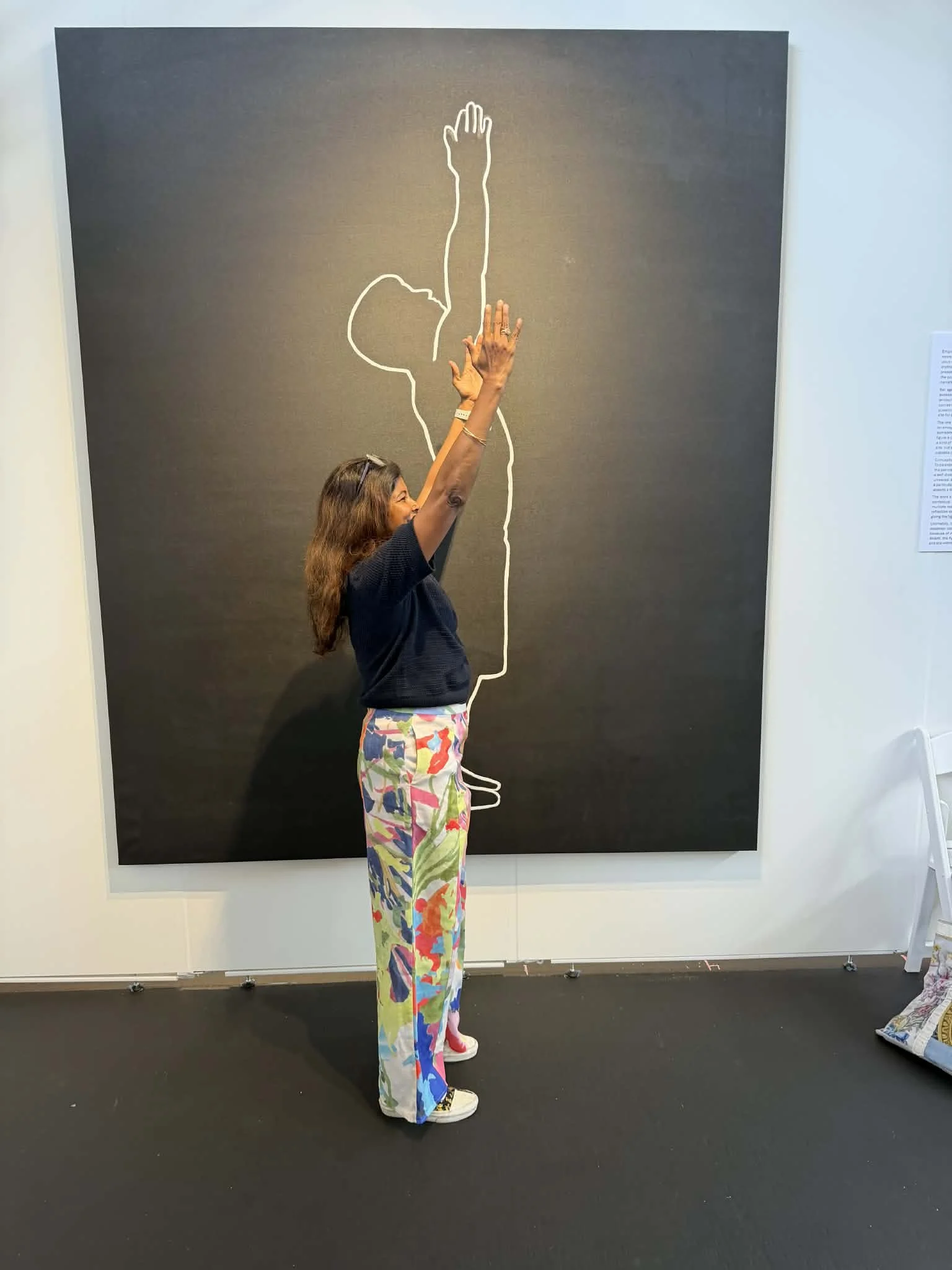
Set against a light-absorbing black ground, the form surfaces with a luminous clarity that evokes chalk studies or quick gestural sketches. The outline reads as a declaration, a bold announcement of being, even as the hollow interior withholds identity. That refusal becomes the work’s central argument: meaning forms not from what is explained, but from the question it poses. Who is this person? The empty space becomes active, not a void, but a site for imagination, projection, and a gentle confrontation with our own assumptions.
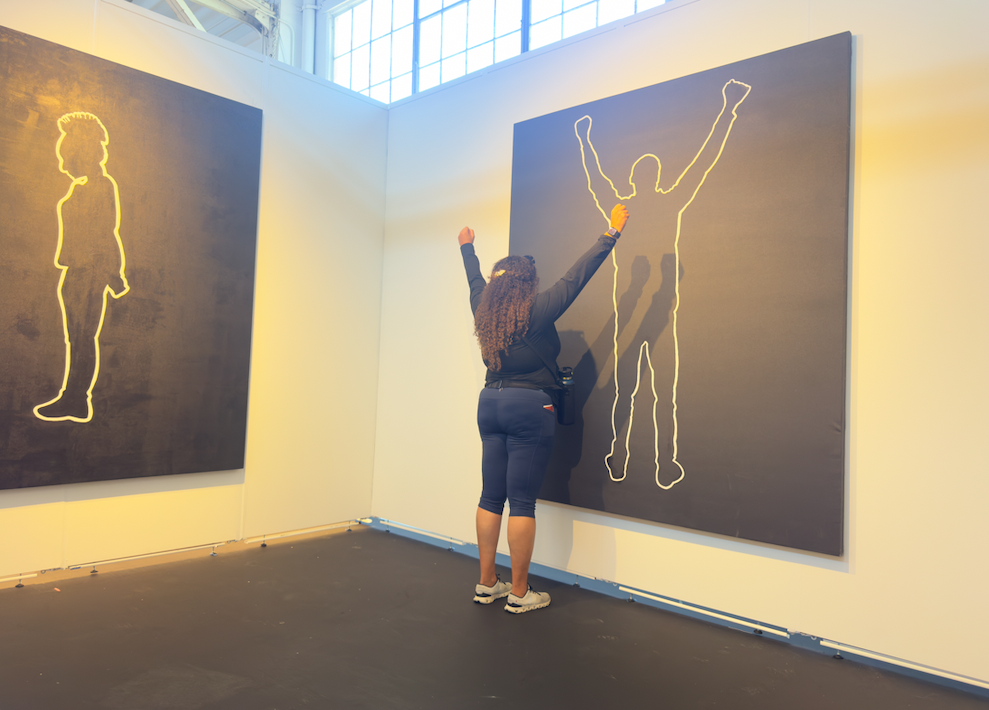
The line itself carries authority. It’s thick enough to feel grounded and deliberate, yet irregular enough to retain the vulnerability of a hand-drawn mark. It feels like a boundary made by someone aware it could be crossed. This interplay of confidence and tenderness gives the figure a distinctly human charge. The posture suggests alertness or a quiet readiness, even a kind of breath. It echoes the same makings of a chalk outline while insisting on its opposite: not an ending or suggestion of death, but the spark of something alive. The figure seems capable of breaking open its own perimeter.
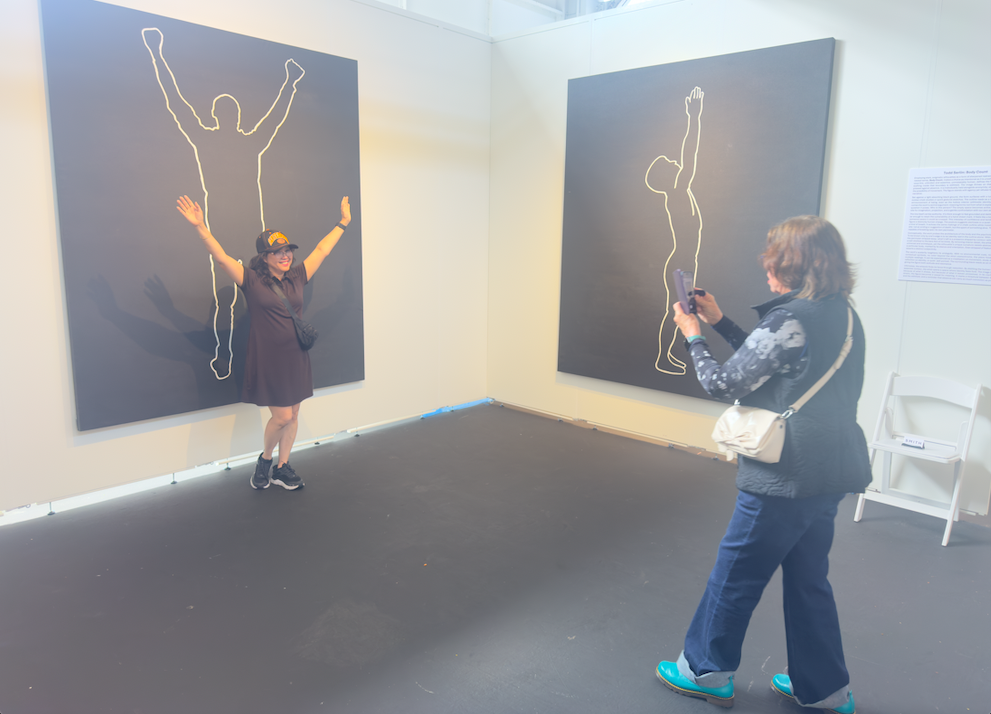
Conceptually, the work probes the architecture of the body and the psychology of outlines. To be known only by one’s edge is to let identity rest in the outline alone. With everything but the perimeter stripped away, what’s left is a presence shaped by contour rather than detail, a self-distilled to the bare fact of its limits. By removing interior detail, the artist elevates the universal and archetypal, yet the silhouette’s unique curvature resists abstraction. It is still a particular body, marked by its stance and orientation. Even stripped of features, the figure asserts a distinct subjectivity.
The work’s austerity heightens its ambiguity. With no environmental cues, no texture, no contextual symbols, no color beyond the strict monochrome, the piece hovers between multiple readings. It can be experienced as a meditation on movement, study of presence, reflection on identity, or quiet self-portrait. The surrounding black reads as an infinite field, giving the figure both solitude and resonance.
Ultimately, the artwork finds its force through reduction. By distilling the human form to its essential contour, the artist opens a space where identity feels fluid. The image lingers not because of what it shows, but because of what it leaves unresolved. In its clarity and restraint, the figure becomes a vessel for meaning. It marks a threshold between the visible and the withheld, and a reminder that absence can carry as much conviction as presence.