ART & ACTIVISM: DONALD DAVIS ROSELAND A COMMUNITY FIGHTING FOR JUSTICE
“Photography bears witness when history would rather look away.”
Long after television cameras have disappeared and newspaper headlines have faded, photographs remain. They become evidence, memory, and, perhaps most importantly, a form of accountability. They preserve what institutions fail to acknowledge and what history often attempts to forget.
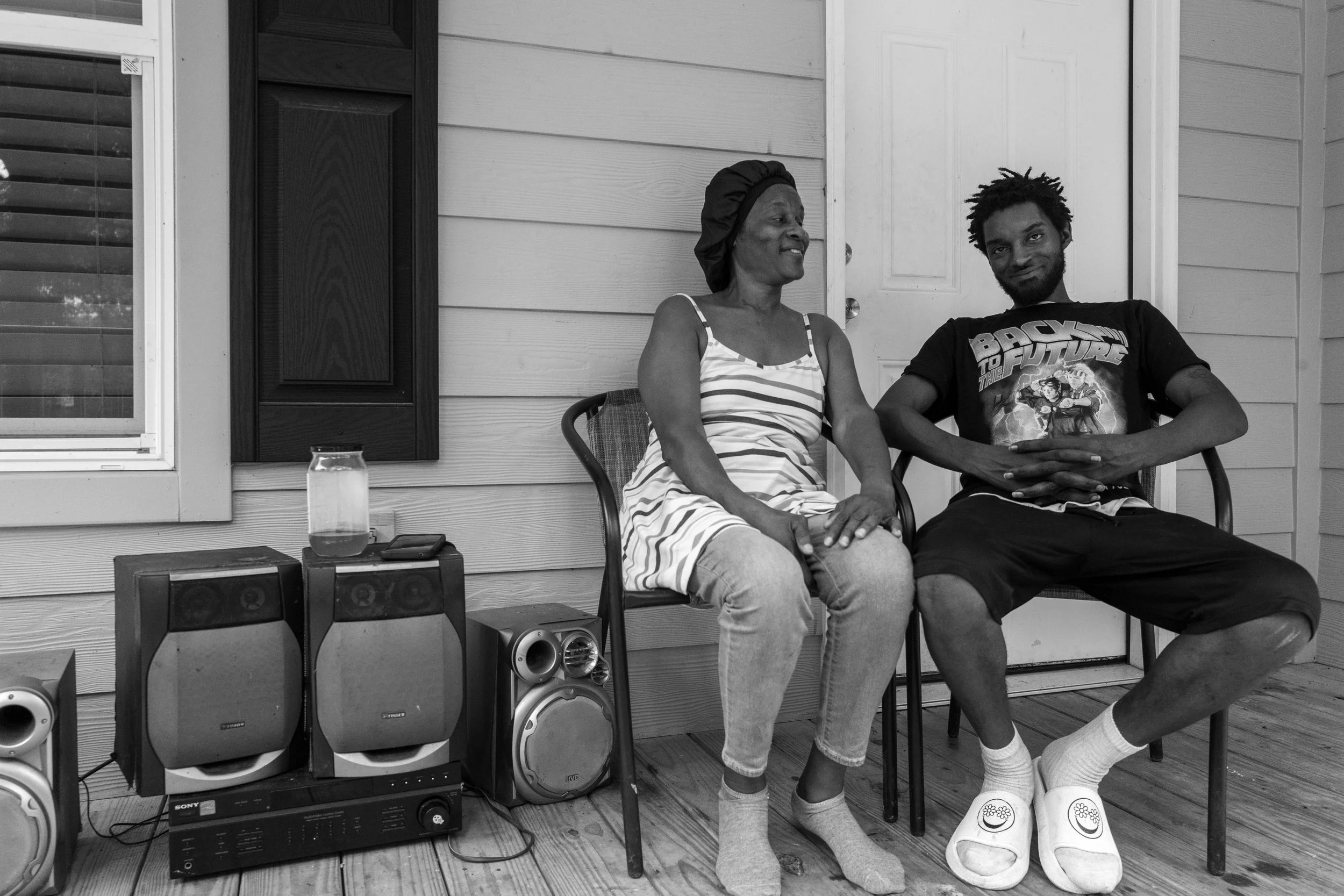
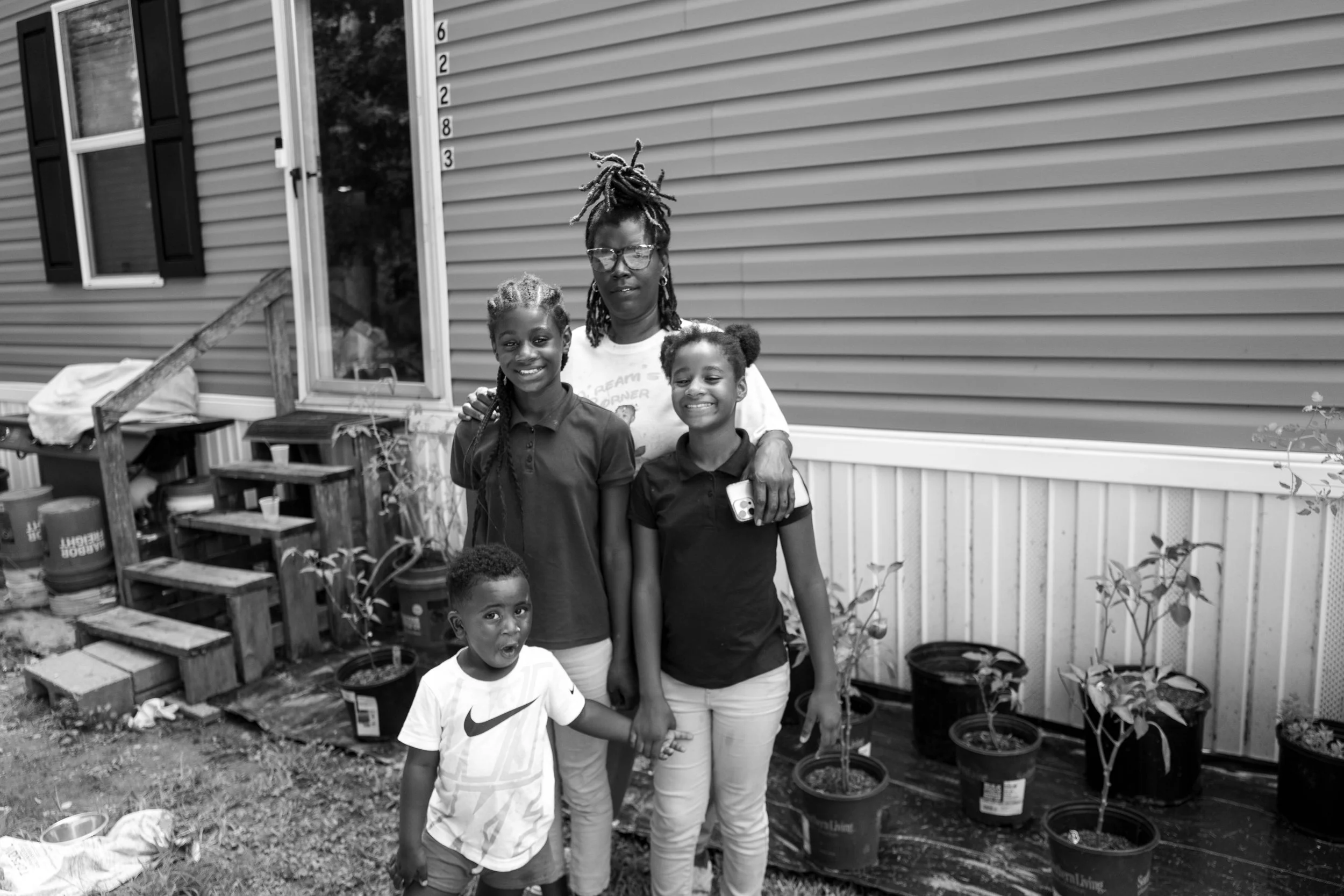
Roseland native Donald Davis understands this responsibility. For years, Davis has photographed his hometown—not as an outsider documenting another American crisis, but as someone whose family, neighbors, and memories are inseparable from the place itself. His photographs are rooted in intimacy, trust, and lived experience. They chronicle a community whose history did not begin with disaster and whose identity cannot be reduced to it.
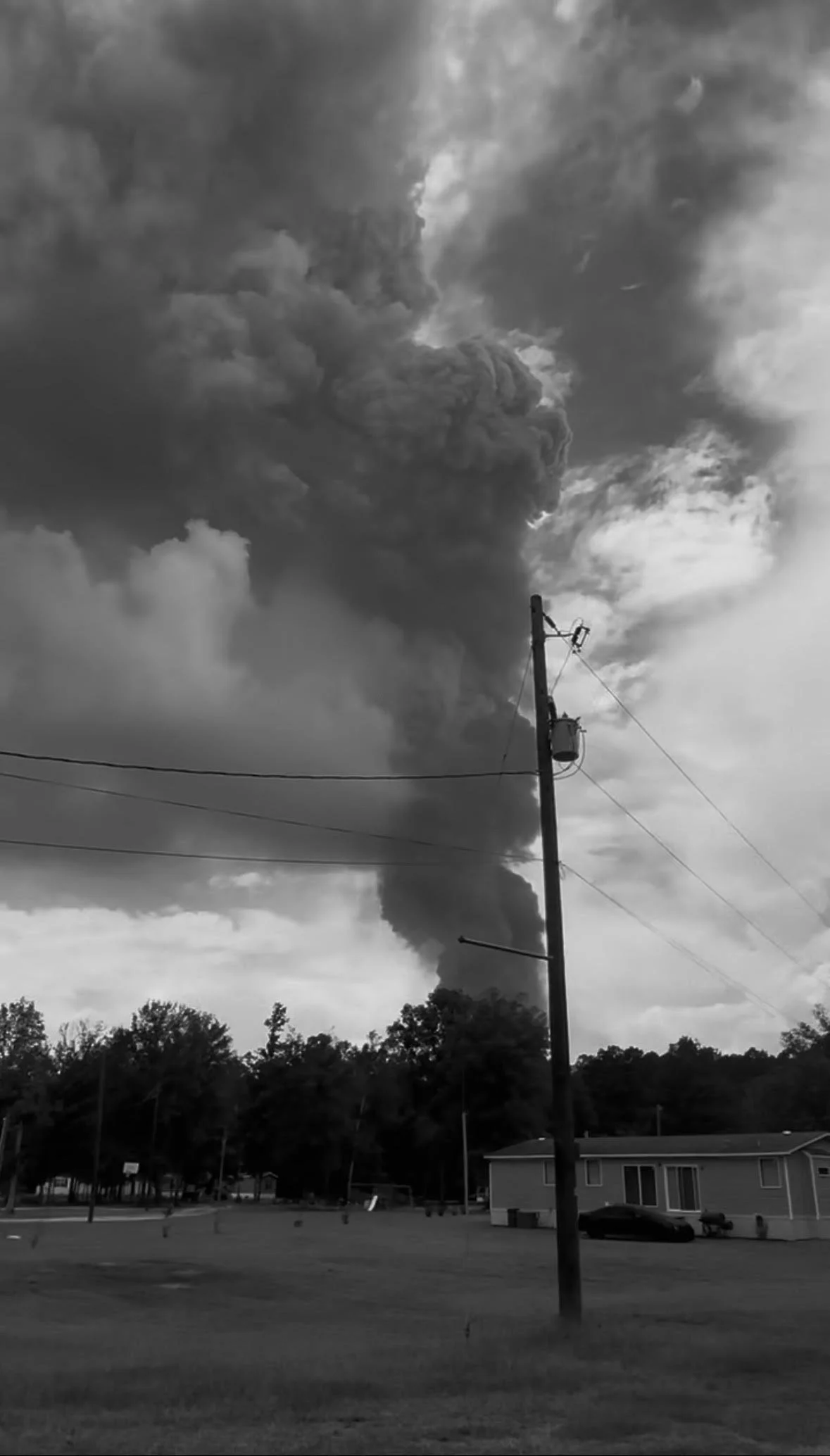
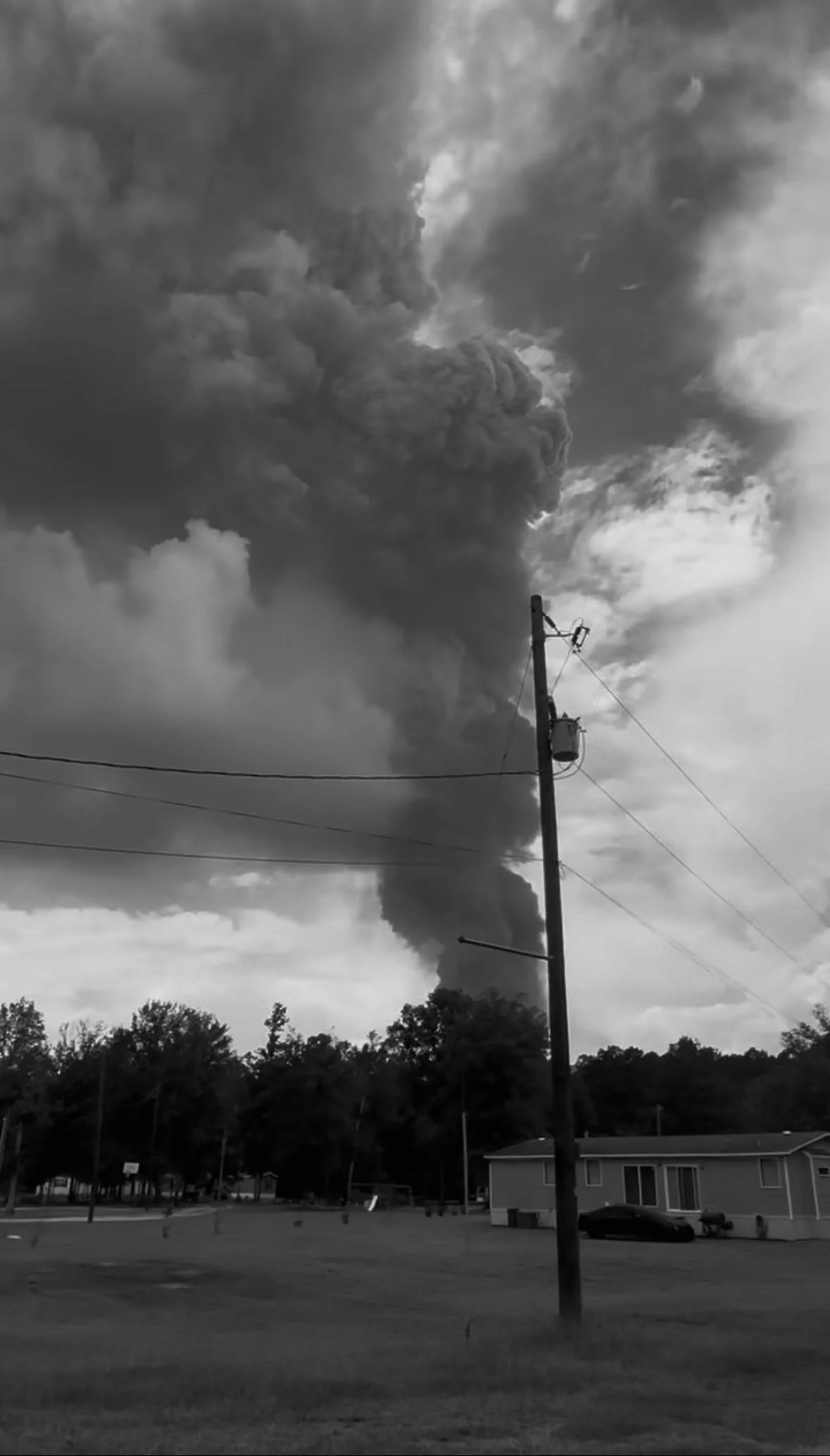
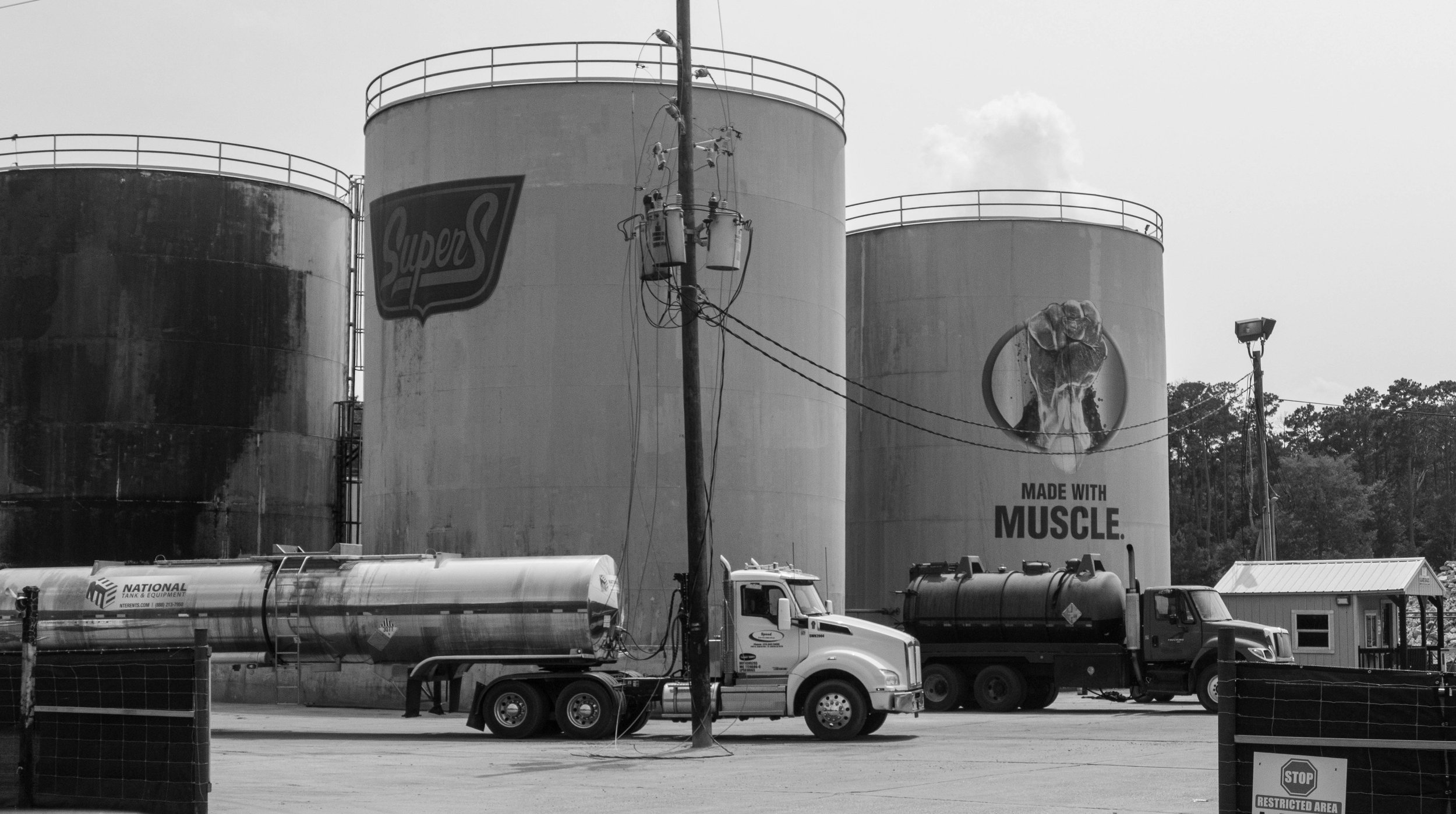
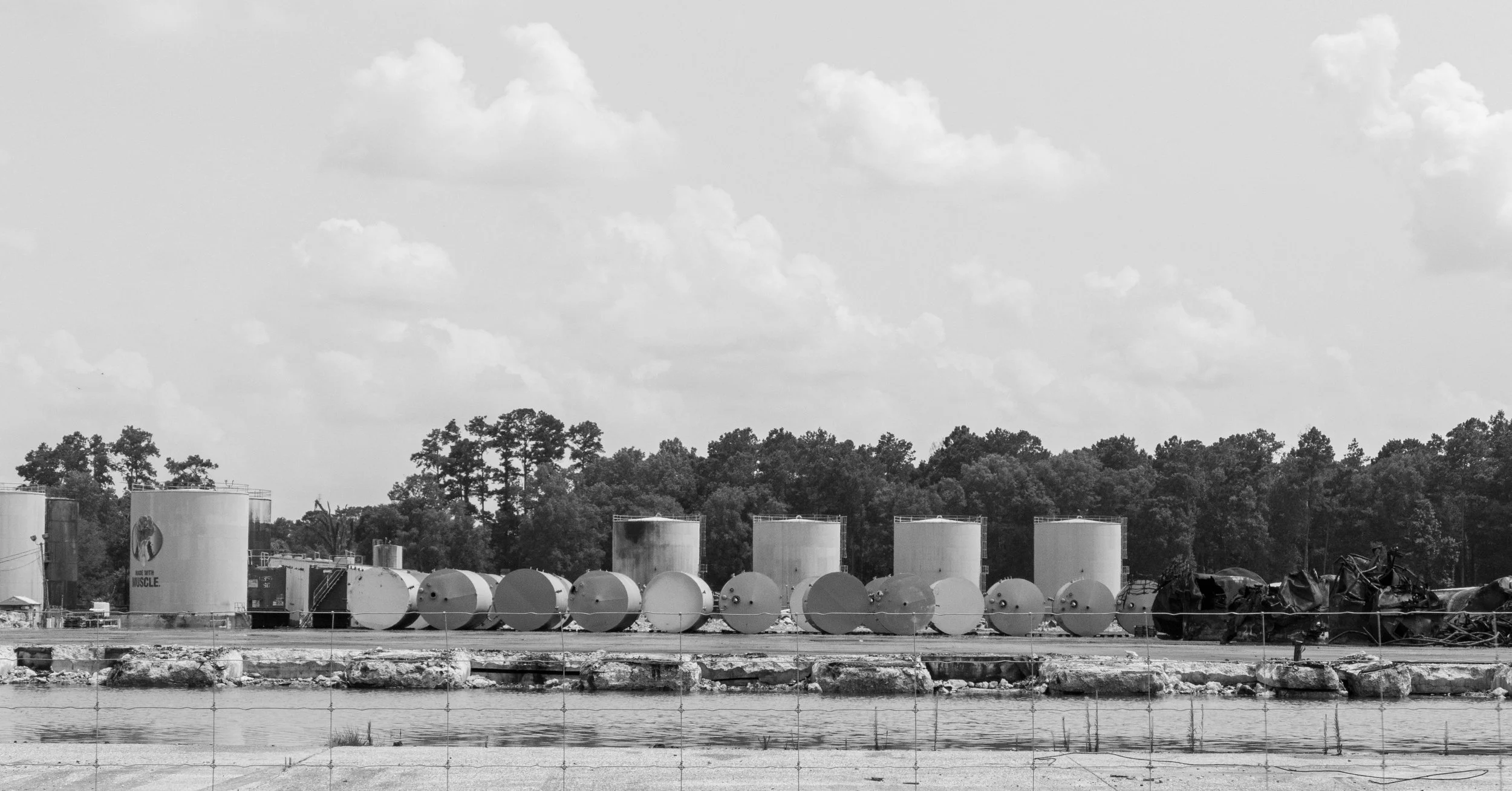
In August 2025, an explosion at Smitty’s Oil Supply refinery transformed Roseland into the center of an environmental catastrophe. Residents described oil falling onto their homes, livestock dying, waterways becoming contaminated, and persistent health concerns affecting children, older adults, and families throughout the community. Many continue to report that they can still smell petroleum in the air and see traces of oil in the water months after the incident. importantly, a form of accountability. They preserve what institutions fail to acknowledge and what history often attempts to forget.
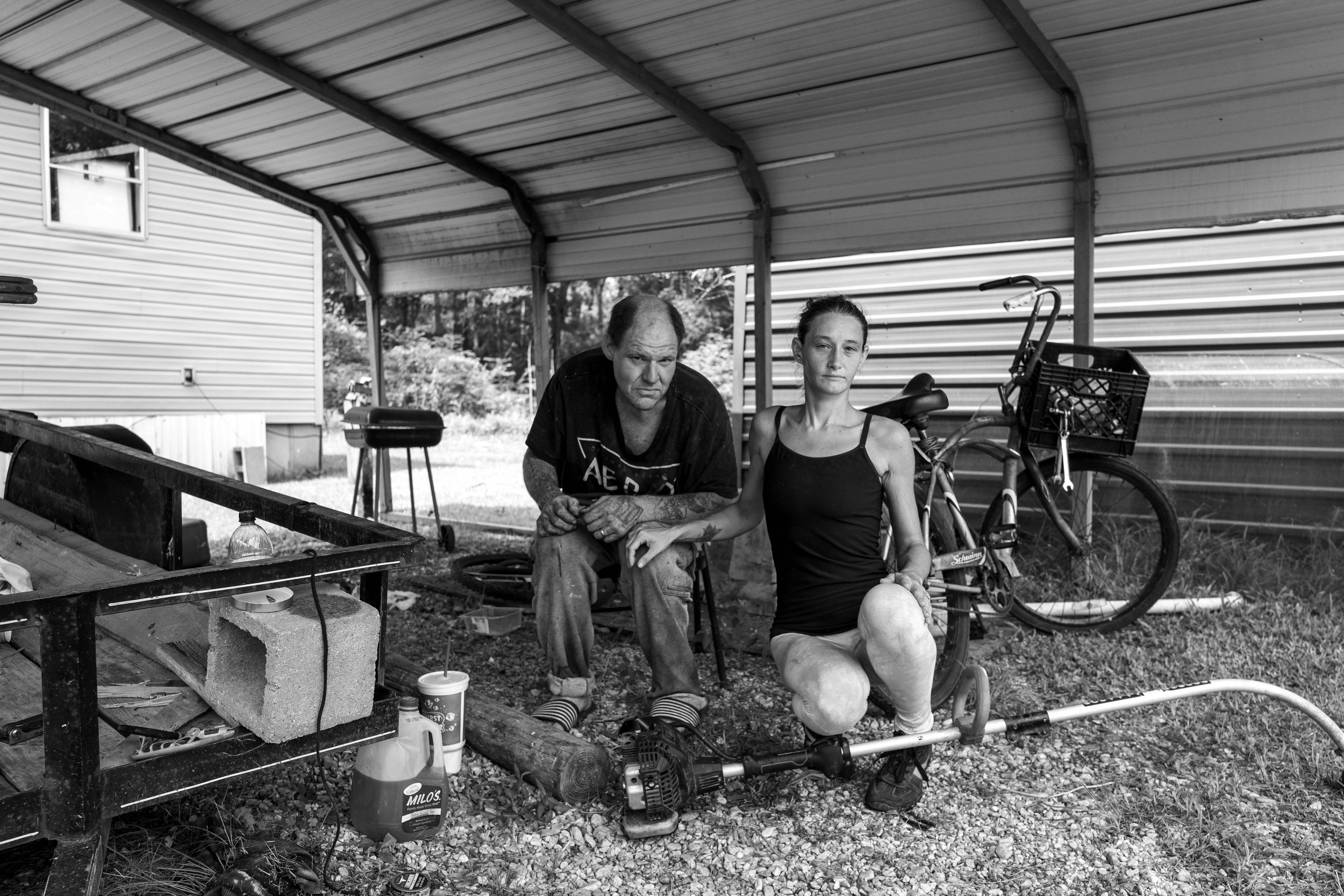
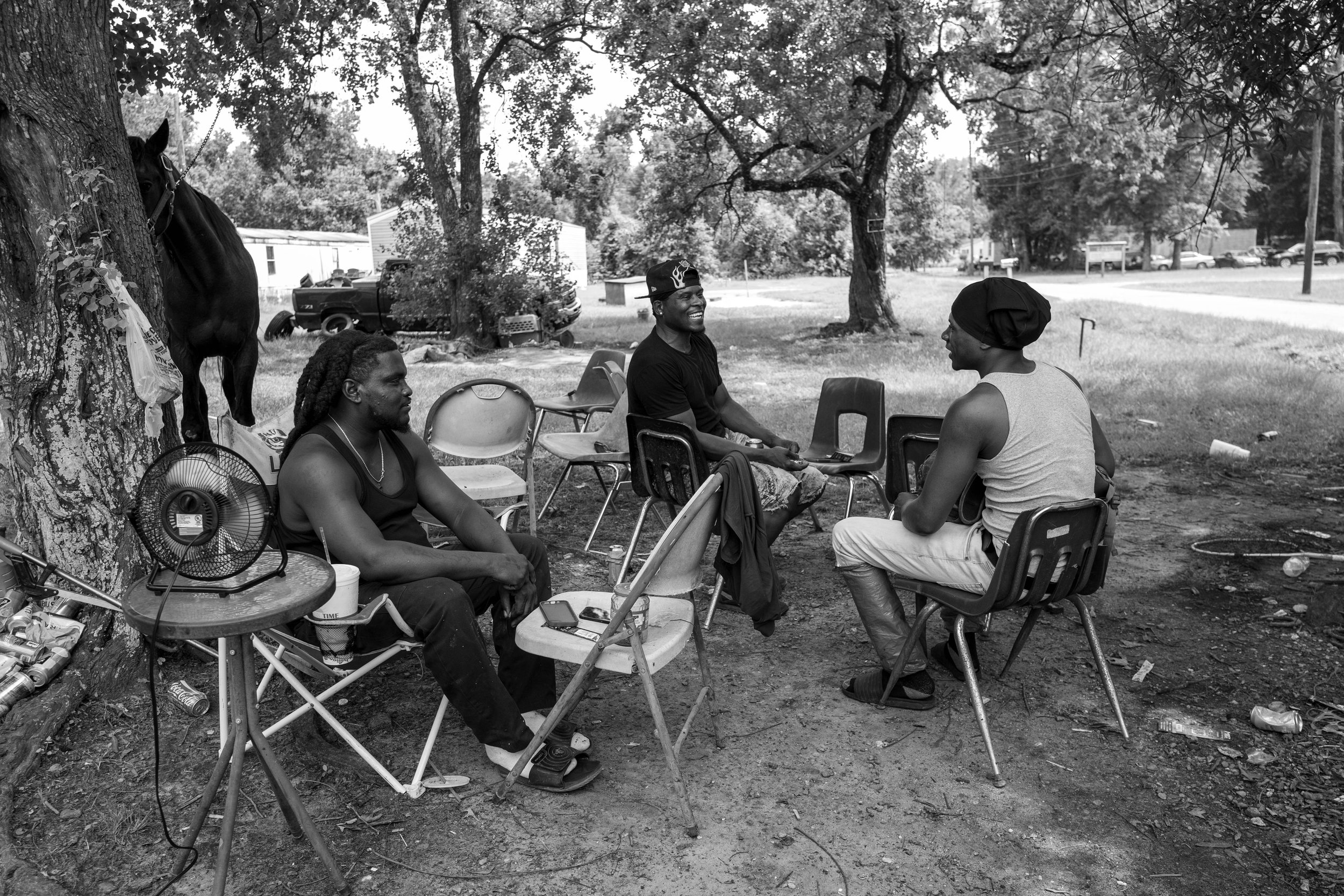
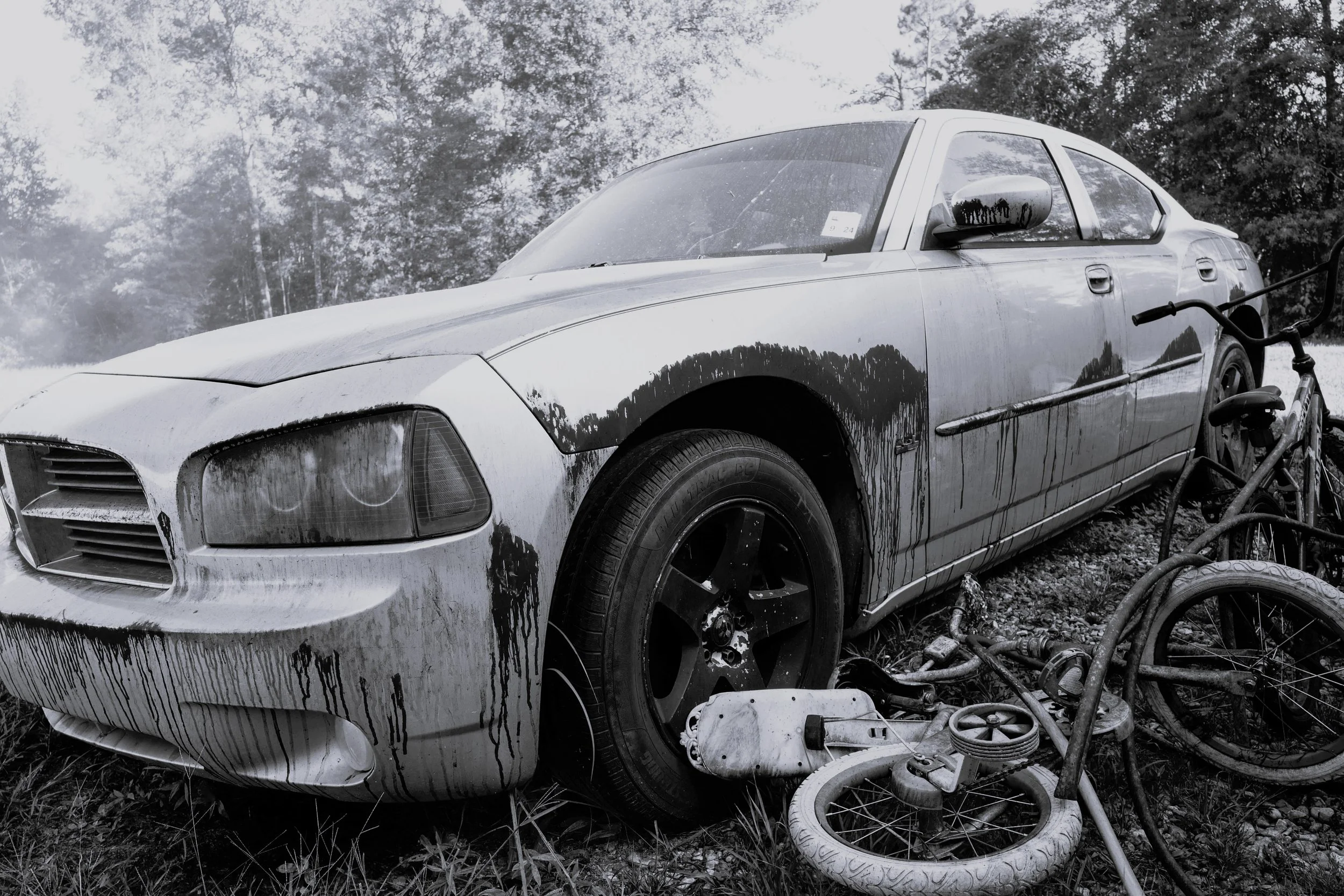
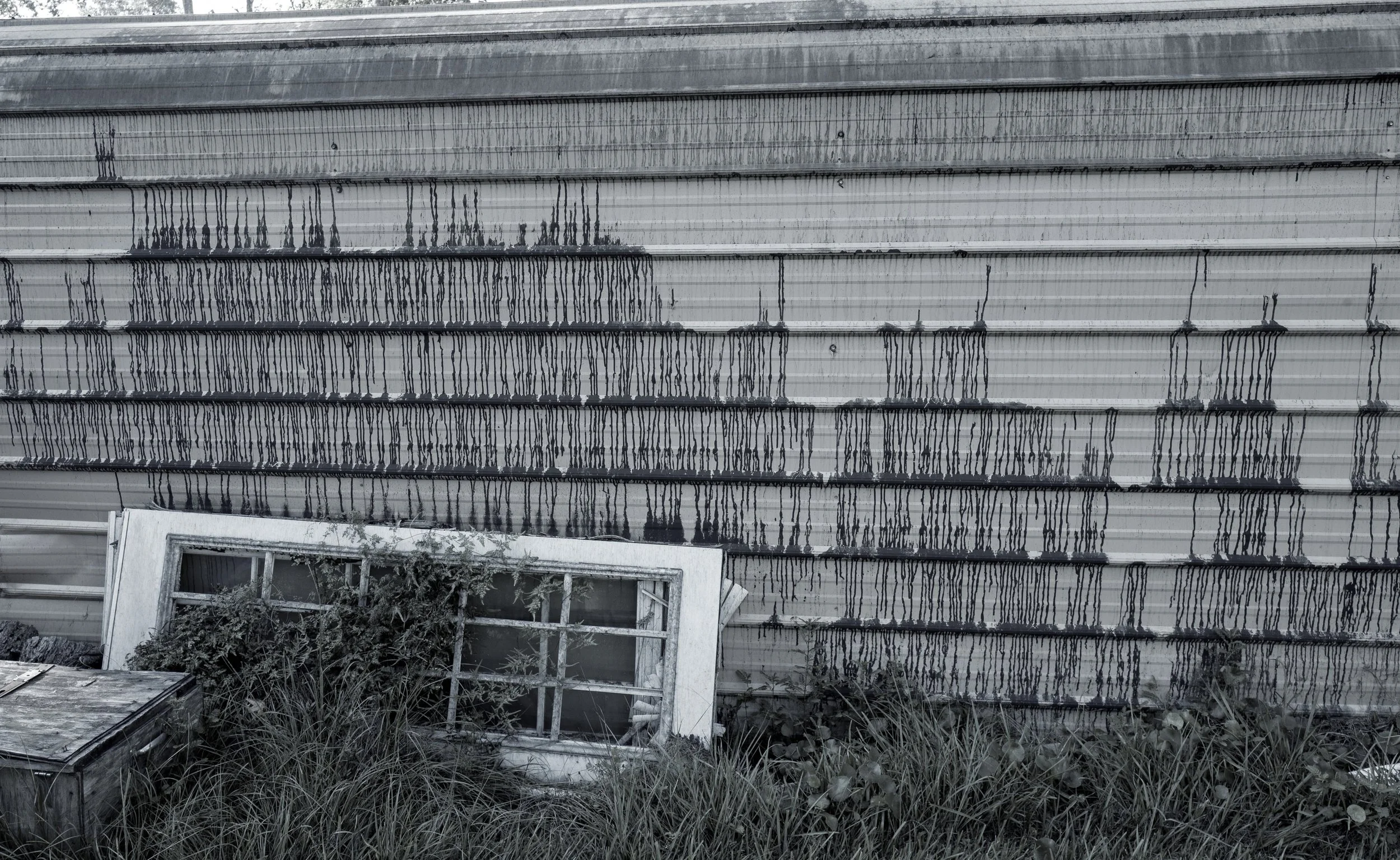
For the people of Roseland, the disaster did not end when the fires were extinguished. It entered their homes, their bodies, and their daily lives. Davis’ photographs refuse to separate environmental injustice from the people living through it.
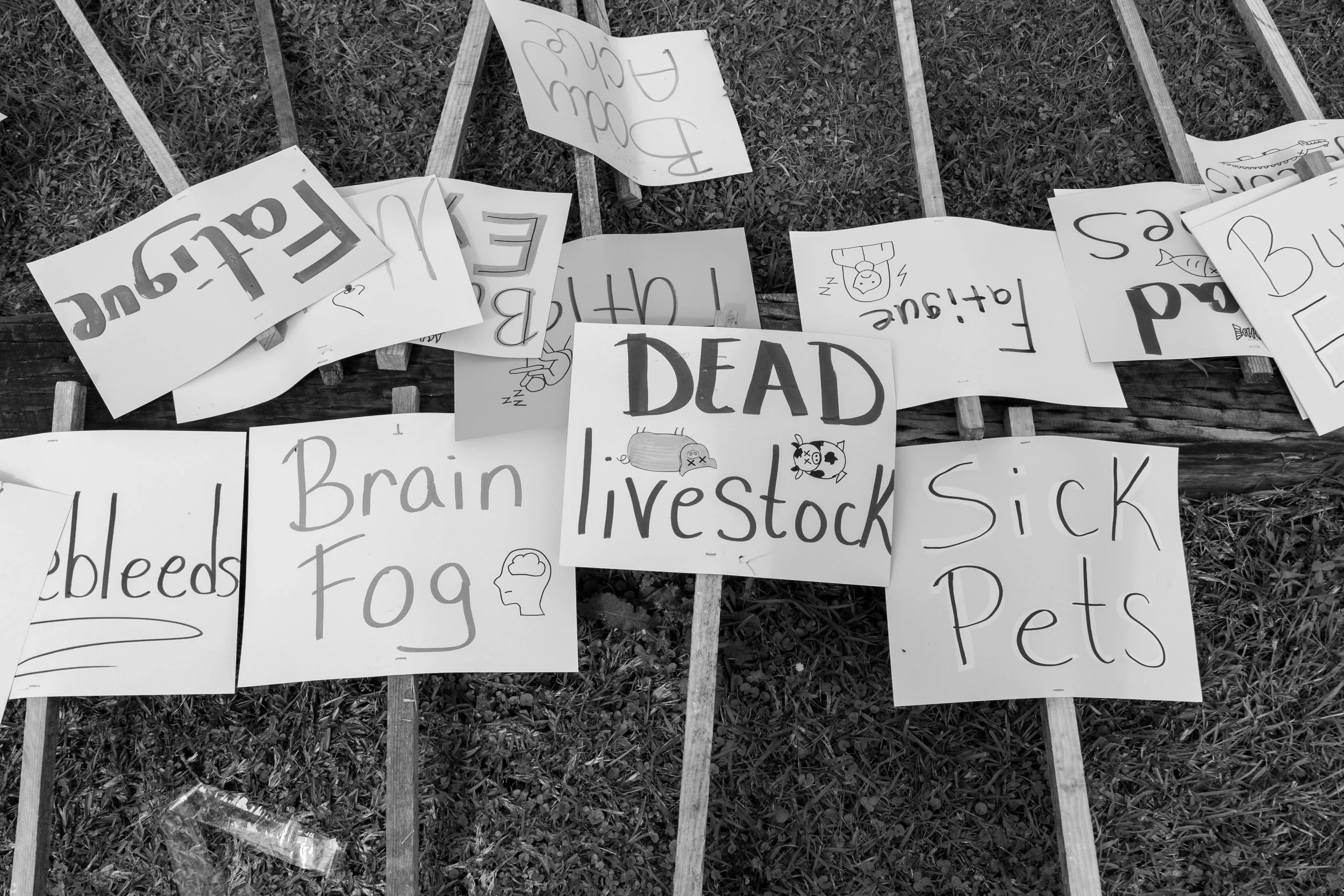
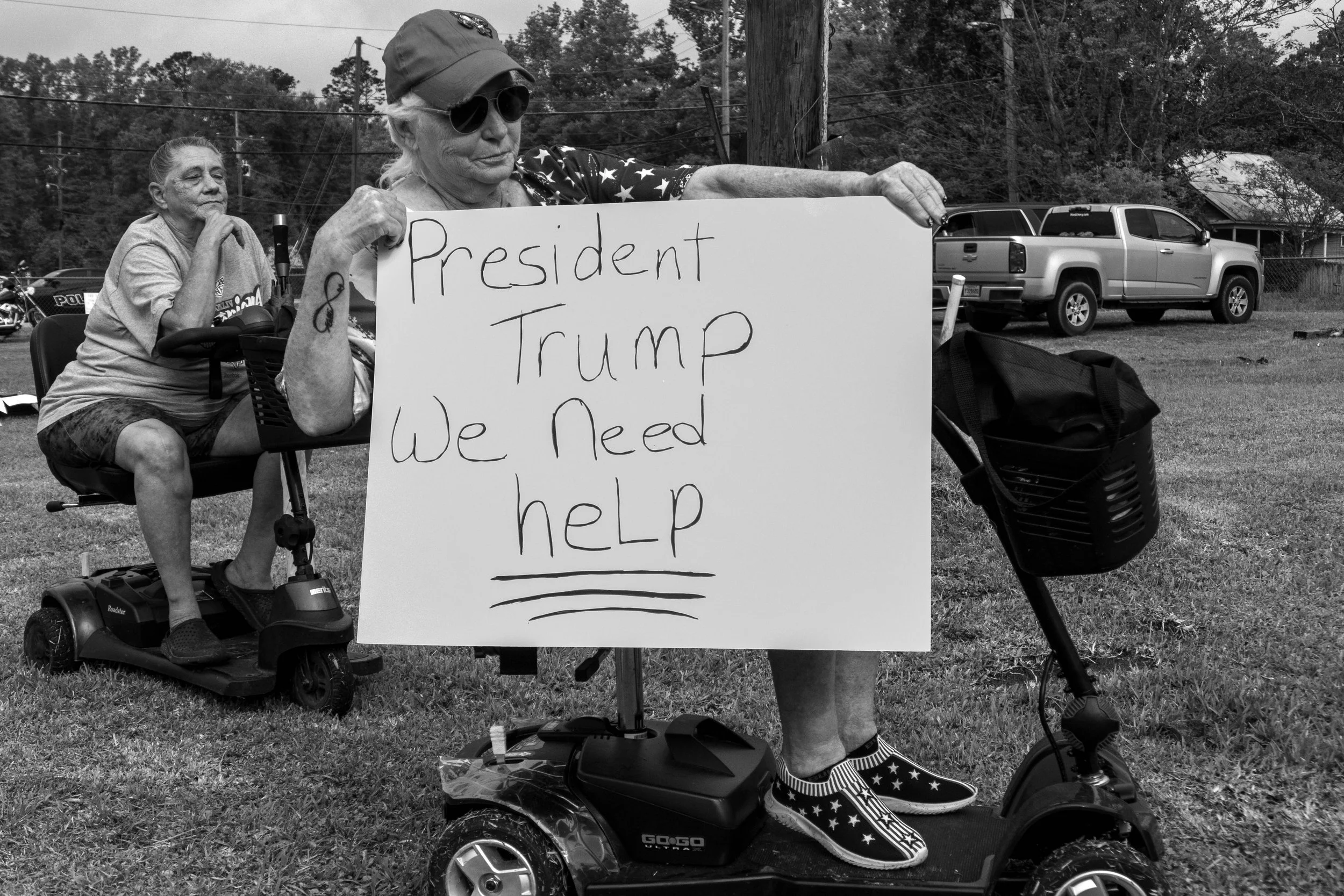
His images move seamlessly between protest and portraiture. Community members gather outside Roseland City Hall demanding accountability while local activists including members of Indivisible Tangipahoa, the Blue Shirt Justice League, Northshore Riverwatch, and the Tangipahoa Parish NAACP organize marches and public demonstrations calling for environmental justice. Community leaders, including retired Lieutenant General Russel Honoré, lend their voices to a growing movement insisting that Roseland’s residents deserve clean air, clean water, transparency, and meaningful governmental action.
Yet these photographs extend beyond public protest. Equally powerful are Davis’ portraits of Roseland’s residents—individuals whose faces reveal exhaustion, dignity, resilience, and determination. These are not anonymous victims of an environmental disaster. They are workers, grandparents, children, pastors, teachers, and neighbors whose lives have unfolded in Roseland for generations. Davis restores individuality to people too often reduced to statistics or political talking points. Perhaps the most unsettling images are not of demonstrations at all.
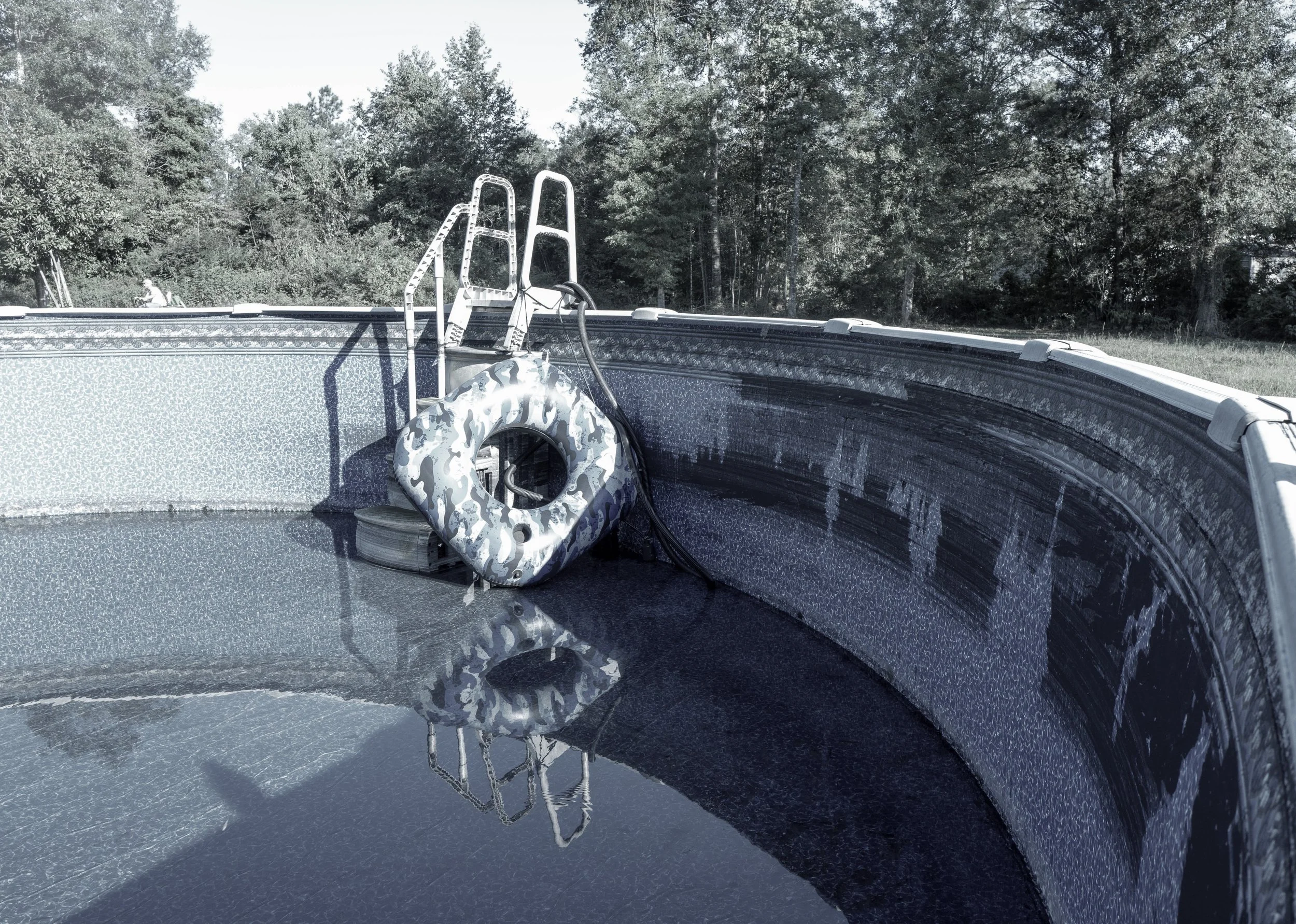
They depict the landscape itself. The drainage canals. The river where refinery runoff enters the watershed. The water that residents believe remains contaminated. The lingering industrial residue that continues to shape everyday life.
These quiet landscapes become forensic documents. They ask viewers to consider not only what is visible, but what remains invisible: toxins, contamination, uncertainty, and institutional neglect.
Environmental photography has long served as a catalyst for public consciousness—from the industrial landscapes of Lewis Hine to the ecological investigations of Richard Misrach and Edward Burtynsky. Donald Davis contributes to this tradition by placing environmental justice within the lived reality of a small Louisiana town whose story might otherwise disappear from the national conversation.
His work also challenges conventional understandings of documentary photography.
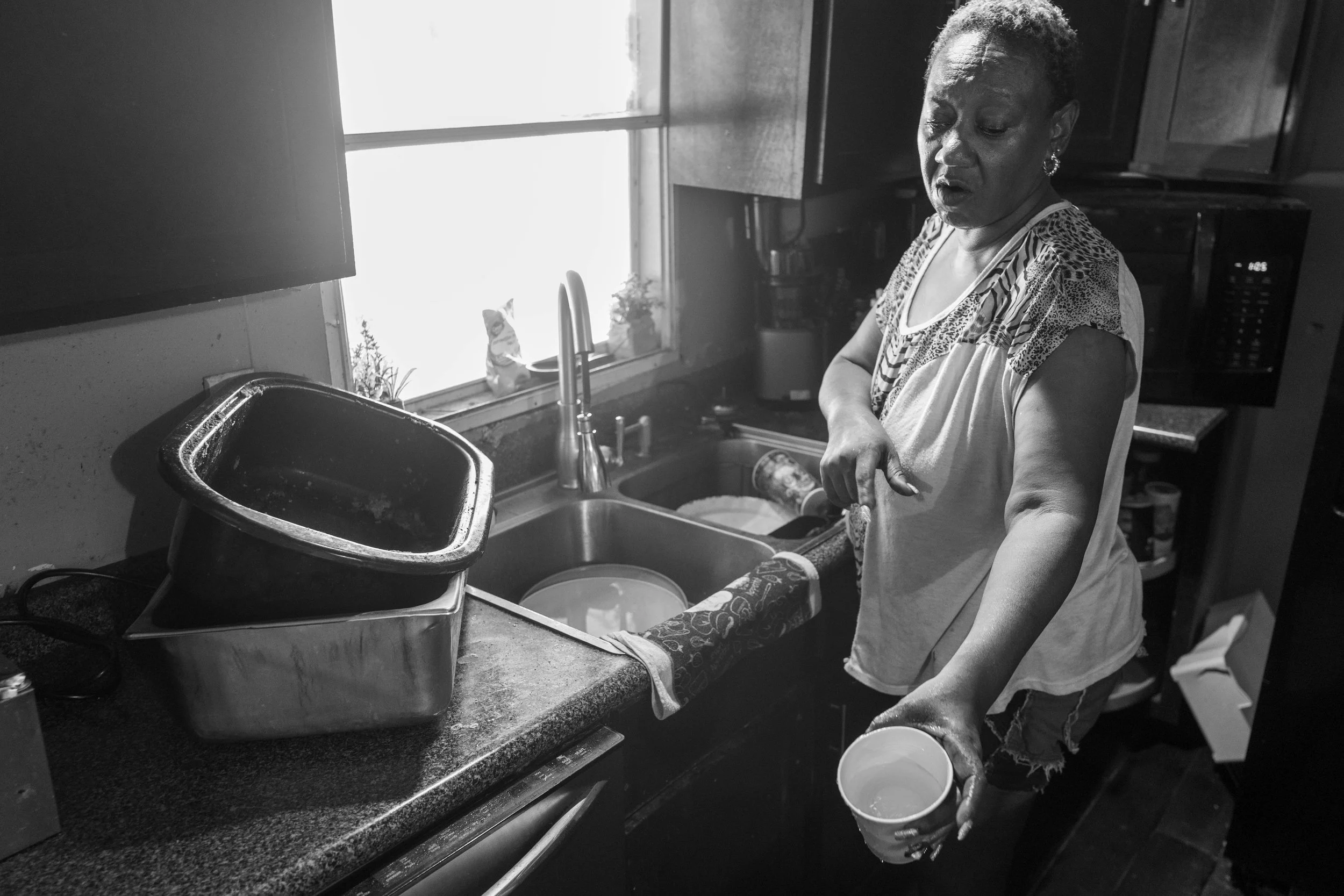
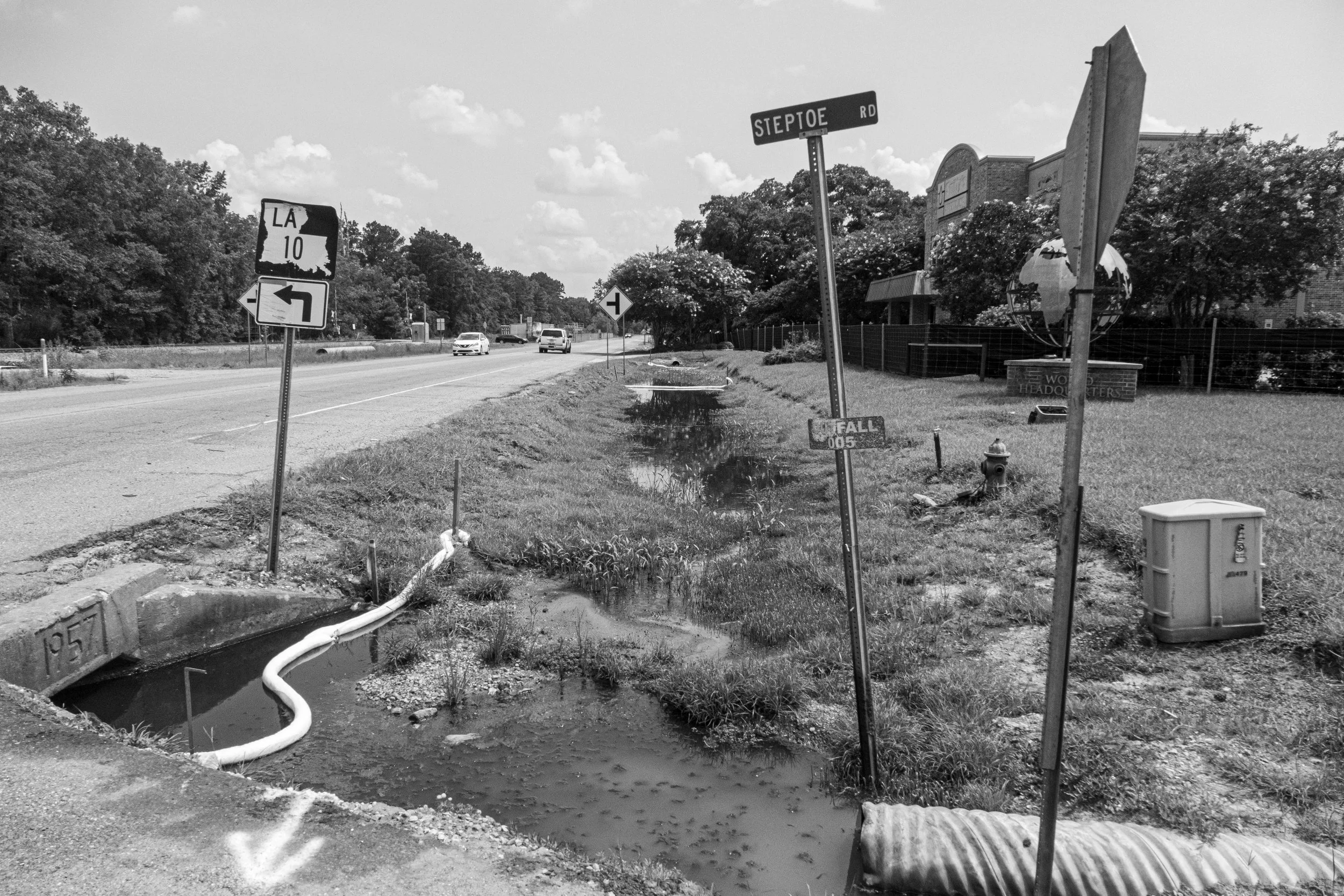
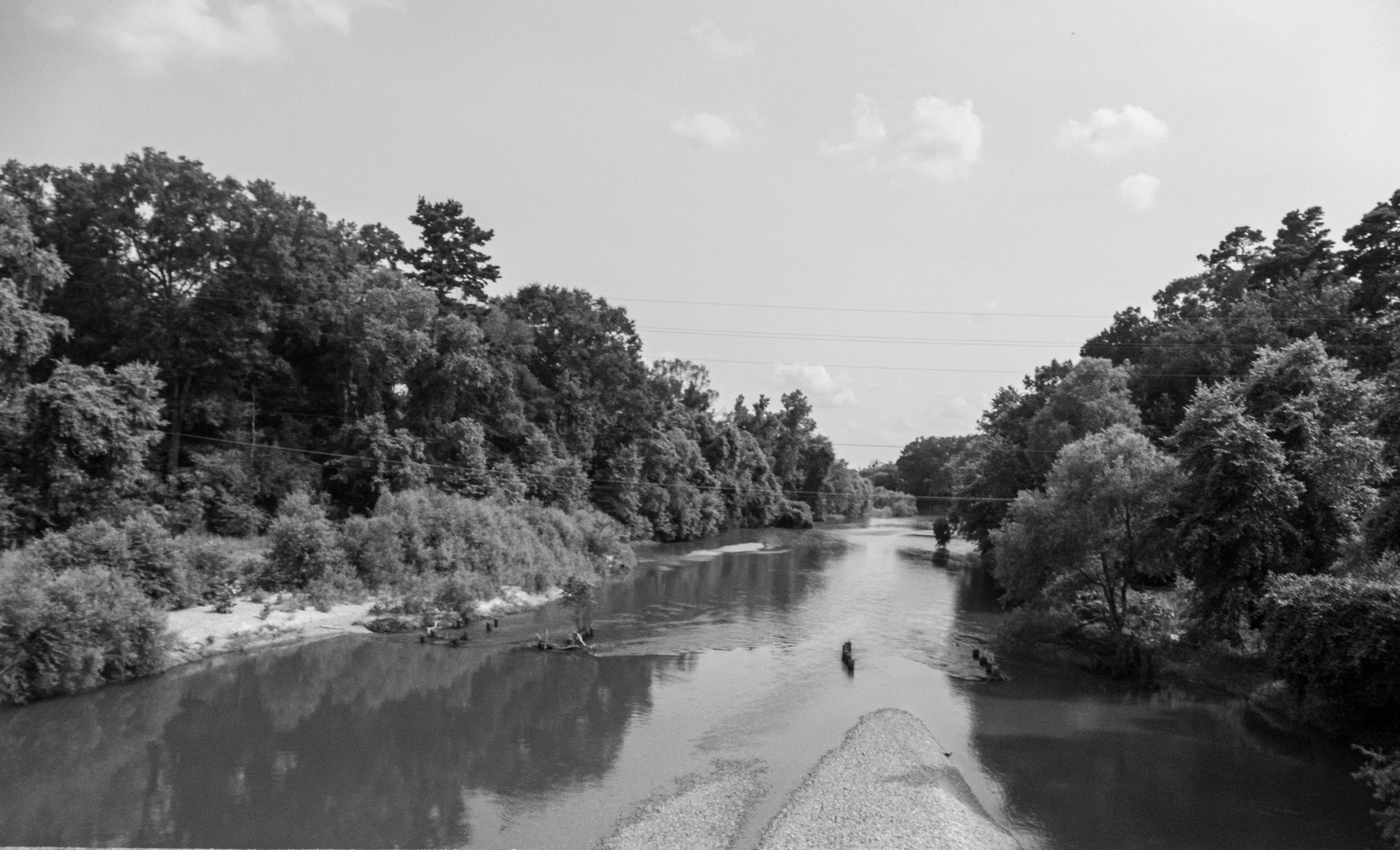
Rather than merely recording events, Davis constructs a visual archive of collective memory. His photographs insist that environmental disasters are never isolated incidents. They expose deeper histories of economic inequality, environmental racism, political marginalization, and unequal access to public health and governmental protection.
Roseland’s story is ultimately not only about an oil refinery.
It is about whose lives are considered expendable. It is about whose communities receive immediate intervention and whose communities wait.
It is about the uneven geography of environmental justice in America. Nearly a year after the explosion, many residents continue to question the quality of their drinking water, the safety of their environment, and the long-term health consequences facing future generations. They continue to ask whether their concerns have been heard.
As Donald Davis reminds us through these photographs, silence is also a political condition.
Photography interrupts that silence. His work bears witness to a community that refuses to disappear from history. It reminds us that environmental justice is inseparable from civil rights, public health, and human dignity. Most importantly, it asks viewers to recognize that long after the news cycle has ended, the people of Roseland continue to live with the consequences. As of June 23, 2026, many residents believe that little has changed.
They continue to fight for answers. They continue to fight for accountability. And through Donald Davis’s photographs, they continue to be seen.