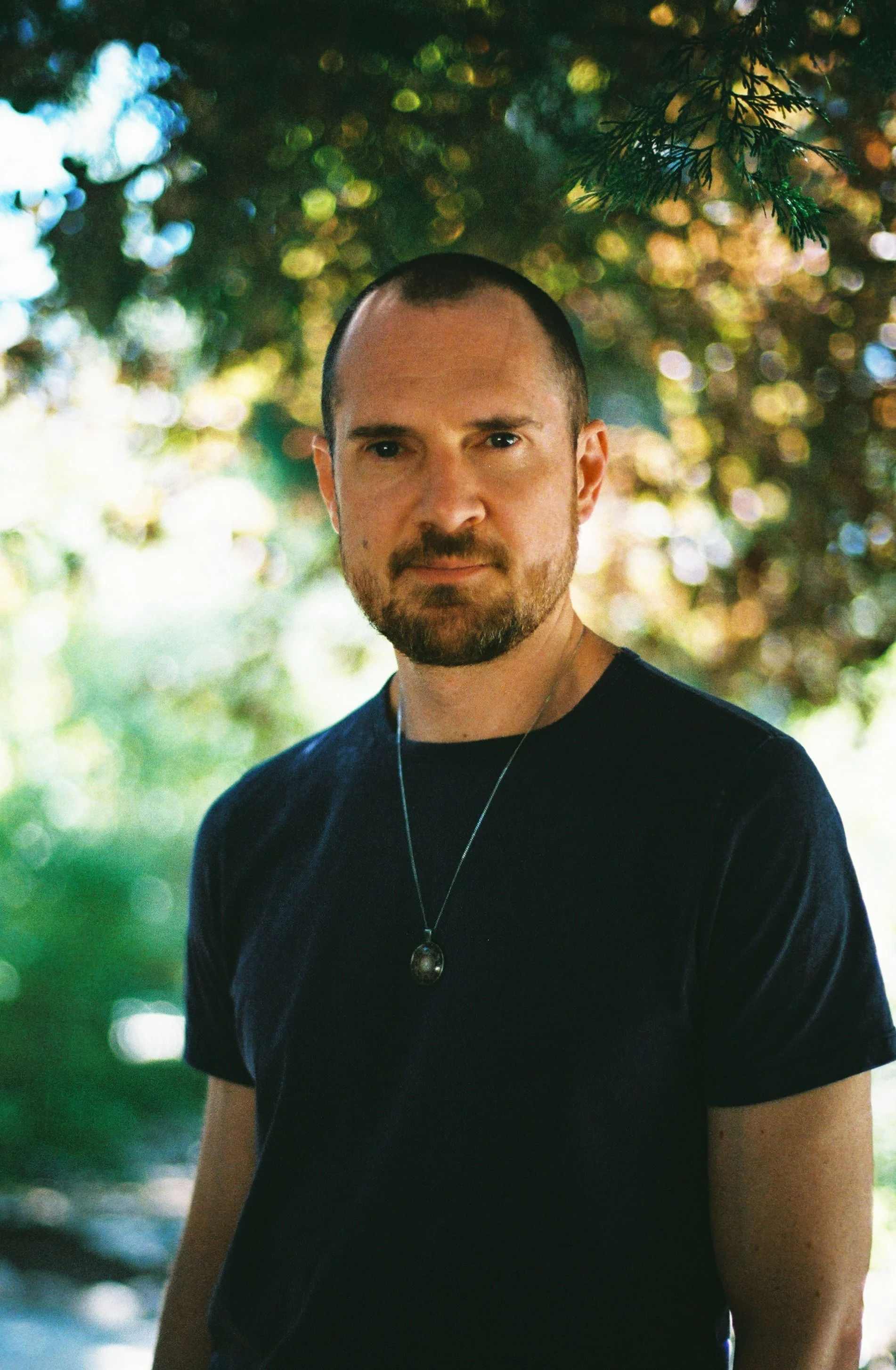
MAESTRO: BILL PROKOPOW THE ARCHITECTURE OF SOUND AND THE ART OF CONTEMPORARY COMPOSITION
“The music that really resonates with people and that makes someone feel something carries an intention that’s beyond the notes, that’s beyond something that we can identify with words.”
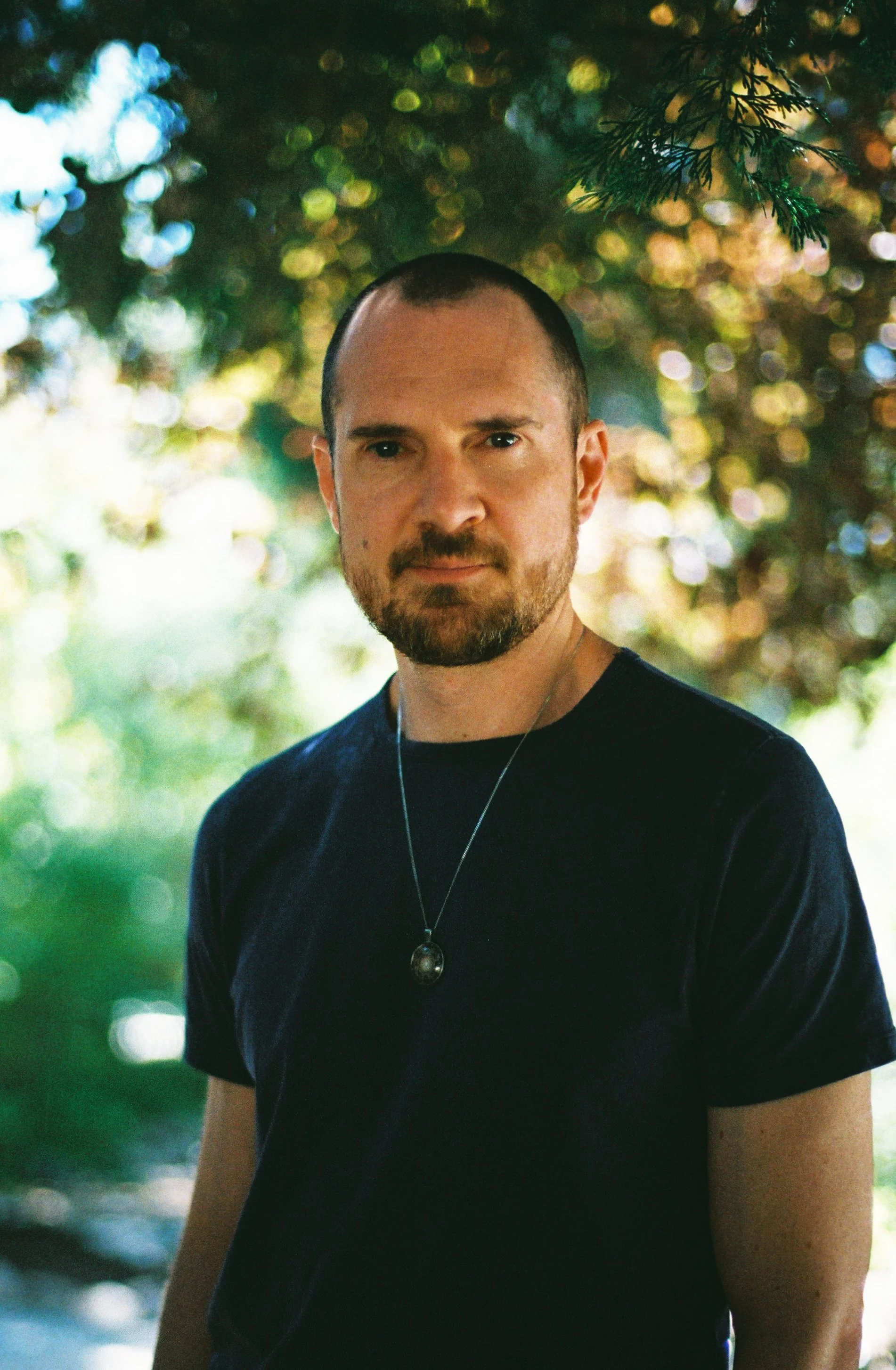
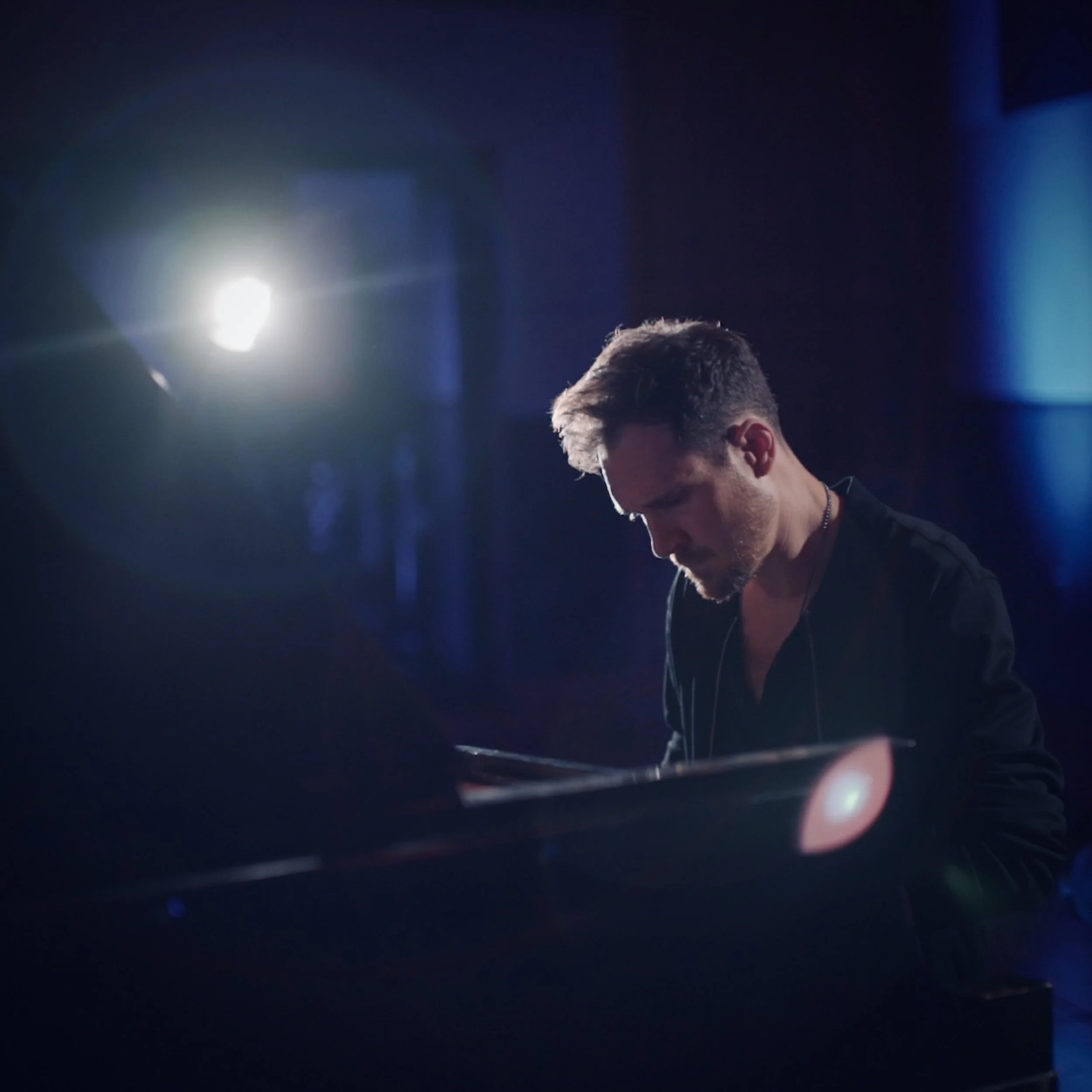
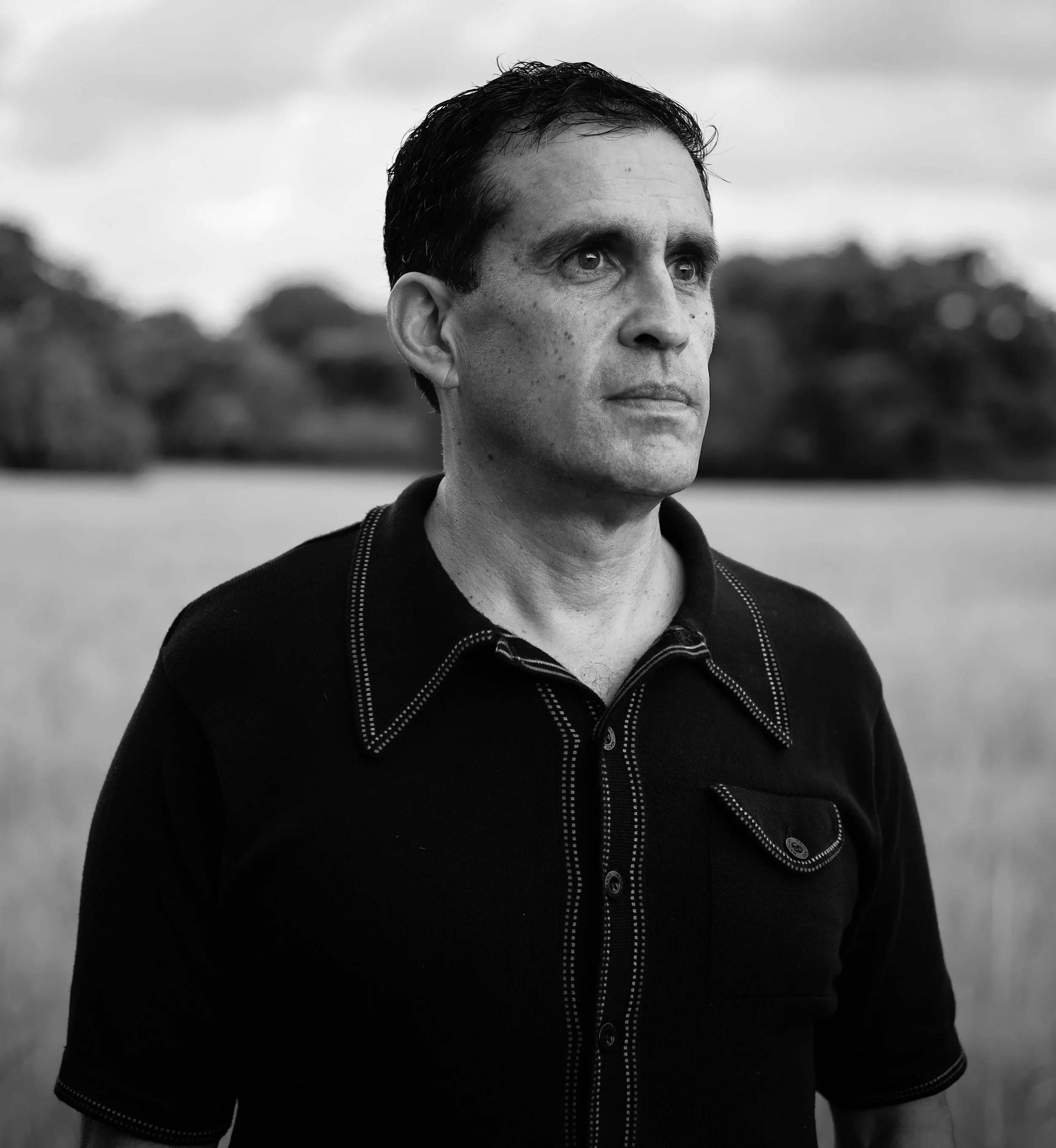
Bill Prokopow is a composer from Chicago, IL. He has worked extensively on major projects across all media. Credits include composer for the feature film, “Nandor Fodor and the talking Mongoose” and “The Muppets Mayhem” show. While he lived for a time in Los Angeles in the fast competitive world of media production, he is now back in Chicago working at a more intentional pace. He also performs, records, and writes pop music successfully under the pseudonym, Will Post. Real life experience in the contemporary commercial media industry gives his reflections special poignancy.
Jonathan Freilich: What you are up to now?
Bill Prokopow: These days, it’s a lot of music for movie trailers, video game trailers, TV shows, things like that. Still doing a bit of film scoring, but my wife and I just moved out of LA this past January and back to my hometown of Chicago. I was in LA for six years doing the film score thing. I had really kind of set aside the Will Post project, which was my solo artist, pop project when I moved to LA to focus on being a film composer.
In LA I encountered the grind culture of composers where they don’t treat you very well and you work nonstop, and crazy hours to make it. I remember reading interviews of Hans Zimmer, or Danny Elfman, or people at various stages on the food chain, on just how much the music is saved to last minute and, how much the composer is asked to work crazy hours.
I don’t know if that’s the life that I want to lead, actually; I want to spend time with my dog; I want to spend time with my wife; I want to watch movies; I want to go to the park; I want to have a life outside of work. So, I kind of resisted the traditional composer path in LA where you assistant for someone and work your way up. I had some amazing friends that were in LA, that were producers and actors and kind of got me into a nice circle where I was meeting directors and scoring films. I really cherish that experience, but I never did the assistant thing.
Being in Hollywood for another few years though, I got a little bit tired of the grind and networking that you have to do to stay there. There’s this bit of transactional exchange that underpins friendships and relationships. My wife, who’s a writer, was experiencing this also in the screenwriting community. We just decided it was time to move back to Chicago after a while. We wanted a better work-life balance.
JF: Is the balance better?
BP: The balance is a lot better. It’s easier to say no to things. Working in trailers, there’s still a lot of work that comes in last minute, and a lot of quick turnarounds, and deadlines. But it’s
a bit easier to say no to it. Still a few times in Chicago, I have done that. But the freelance composer thing is nice because you can say yes and no to what works with your schedule.
JF: You said a lot had changed in terms of your relationship to art in the world since you went to LA. What has changed?
BP: I don’t think you can have a conversation about art these days without talking about AI. And whatever your views on it are, it’s part of the conversation now. Whether you are writing music, performing music, sourcing music, listening to music, it’s part of the conversation and, it needs to be addressed. At the beginning of 2025, I was seeing how quickly music AI was developing. As a composer, that music was coming close to my space. I was very much going through an existential crisis of saying, “okay, it’s not good enough to take my job yet, but I don’t know if that’s gonna be the case in a year or two years or three yeas.”
I’m fortunate and grateful that in the position that I’m in, the bulk of my composing that I do for my financial stability requires a lot of revisions and human contact, which is not true for all composers and all kinds of musics that are being composed and used and licensed these days. I’m very fortunate to have found a spot where, at least right now, it doesn’t seem like AI is gonna touch my personal thing. But I’ll tell you, it did make me get back into live performing.
I’d stopped performing live singing. I’ve been singing all my life. And I stopped when I was in LA for a long time because I said, I’m just gonna focus on being a composer. At the beginning of 2025, I was looking around and I was like, well, I’m always gonna be a composer, but that doesn’t mean I’m always gonna be able to support myself financially from being a composer, especially with AI in the conversation. But AI isn’t going to take live performing.
So much of music that, at least for a long time I was not focused on, is about service to community... Looking around and knowing that music has always been a part of really important events for births, for deaths, for weddings,for celebrations, for handling grief, or being with people as they go through tough things and, celebrating with people.
When musicians just focus on how to serve a corporate machine, and how to deliver a product, we’re missing how we can be of service to our community. AI is not going to be of service to a community. You’re not going to want to play an AI song at a funeral.
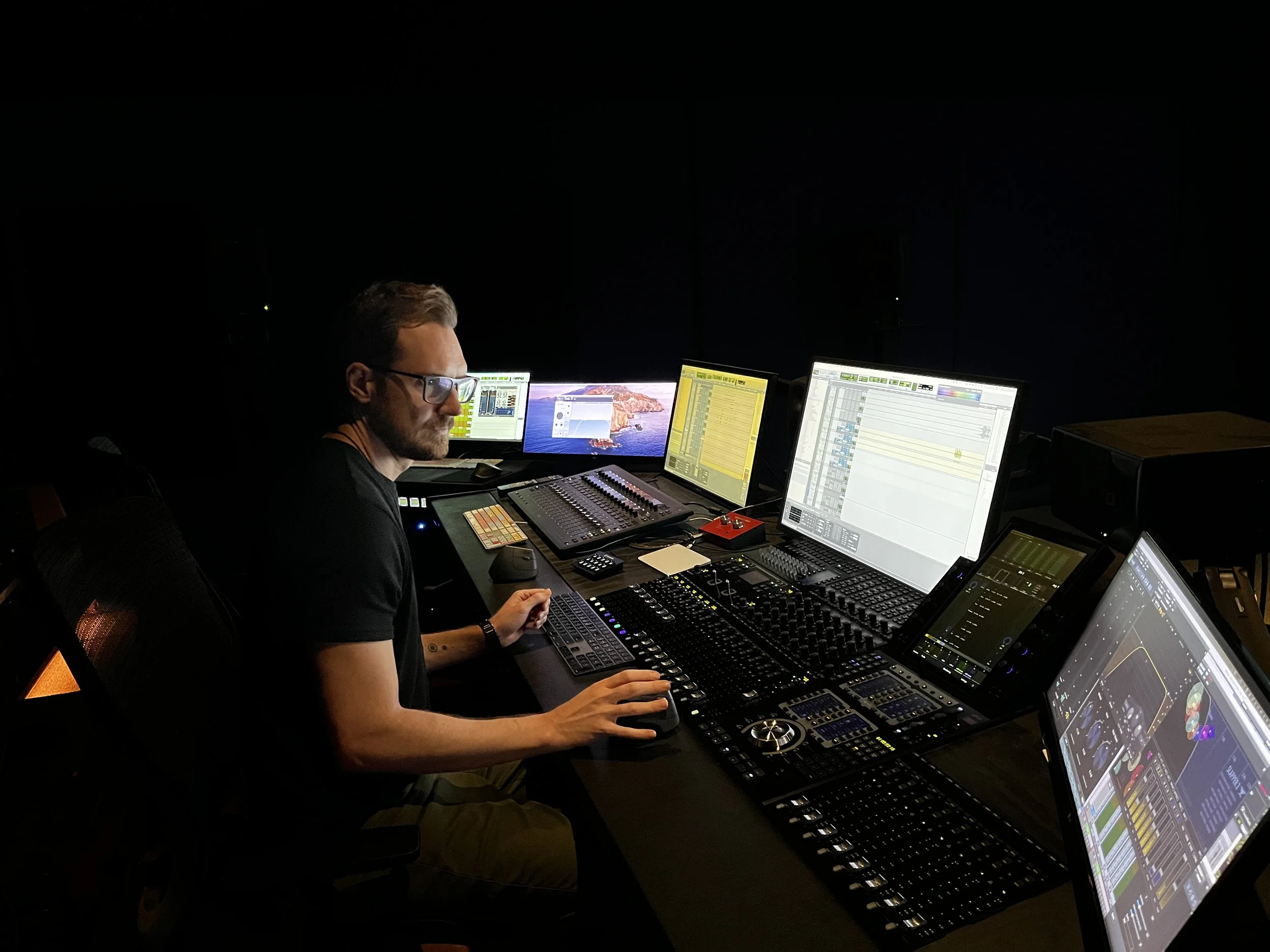
JF: The dream of being a film composer/ scorer is 100 years old; a wonderful dream, but why does music have to be subservient to visual media? Music has older lineages and traditions. Film, and subsequent media has been around for 140 years. Music is by some reckoning as old as our species. Do you have any thoughts about this possible mismatch of attention?
BP: Going back to our roots, music accompanied storytelling, music was a sacred part of life and connected us to spirit, connected us to energy that we could not see or taste or touch or smell. Humans have always known that music is a lot more than just something that we hear because good music makes you feel something. It touches your heart, it touches your gut. There is an energy that’s beyond the notes that comes through in the intention of how the music is being created. Filmmakers have always known how important music is to be establishing feeling and emotion. It’s a critical part of TV shows, movies, video games, etc. But none of those things these days are all that sacred. Most are for commercial uses and for capitalism, which just views music as a product, which is how AI views music. It’s not something that carries an intention with it.
The music that really resonates with people and that makes someone feel something carries an intention that’s beyond the notes, that’s beyond something that we can identify with words. That’s why it exists in the form of music. You can’t describe a piece of music and get the same feeling as the piece of music. Another part is how music serves the picture and what happens in modern music. I also don’t think you can talk about modern film scoring without talking about the temp track.
[The temp track is placeholder music inserted before a music score is written as a sort of blueprint for where and what type of music the composer might put in later. Editors and directors hear this countless times in making a film and can preference it, forcing composers to find a way to legally imitate the temp track.]
How can you copy this other piece of music so that it carries the same intention while serving the picture? Some of John Williams’ best themes he did to a temp track, but he made more memorable music than the temp track... If you listen to some of the early Star Wars stuff and, how that was temped with various marches. We’re so familiar with it now because it’s so ingrained in the zeitgeist. Moving to LA, I knew about this, and it was always like, “okay, well, how can I beat the temp track?” That is the goal.
JF: What was your music training?
BP: I’ve had a lot of great music teachers and not necessarily any specific lineage that I can kind of trace back. I never went to a conservatory. All of my music training was through public schools for the most part. I’ve had a few private teachers here and there, but I was fortunate to have a great public music teacher in elementary school, high school, and college, in singing, in composing, in band, in orchestra, in performing.
I always needed to be composing music. That’s how I dealt with my feelings when I didn’t have any other way. I found the best way to deal with my feelings, especially with the difficult feelings of sadness, anger, grief, and being mad. I didn’t feel comfortable expressing those through words or through my body at home. It needed to come out in music. I was grateful to have teachers that were able to direct that into lessons and learning theory. These things were just mechanisms for how to deal with feelings that I didn’t know how else to deal with. I had a great music teacher, Bill Vanninen, who indulged me. His name was also
Bill. He also had some Finnish roots like me. He also learned piano by ear and composed by ear. I think that was very much set up by my spirit beforehand; to be able to come in this life and have him as one of my first influences. He convinced my parents to get me my first keyboard. I wrote that first song in kindergarten and then, when I was in third grade, I was writing more songs. This is before I knew what a composer was even.
JF: On your website you write of your classical sensibilities. What do you take to be classical sensibilities and what are your classical sensibilities?
BP: Having studied composition as a major in college because I was so interested in the classical forms. I find Bach’s Goldberg Variations some of the best morning music to listen to for breakfast. I was listening to some Bach the other day and some of the Goldberg stuff and thinking how much my mind is working and, how little that happens in so much of modern music. So much of modern music is designed for the emotion to be predictable but, in the Bach fugues, you’re listening to these multiple lines going on. You’re tracing and following them and it’s doing something totally different in your brain. I’ve always also been very interested in theory, in chord progression, in structures.
JF: You write of meeting the ethos of the moment. Through Bach, you indicate that major-minor system in European music, that line from the 16th c., ceasing development about 150 years ago. Why is an ethos of the moment including that? Is the mass media dictating what audiences can handle, like a meta-temp track? You very much use major/minor system techniques, and I’m wondering what that has to do with this moment.
BP: One of the most interesting ethoses of the moment is sound design and moving more towards the quality of sounds. The composer of White Lotus, Christobal Tapia De Veer... so interesting what he does sonically, and sound design wise, and the compositions are strong, though I wouldn’t necessarily say, based on classical harmonies and theories. We talked about John Williams earlier, and he is, part of the last generation, focusing on the orchestra, and it does now have an old sound. Much of this moment is what you can do with sound beyond the traditional major/minor chords. Those things are still used, but I think one of the coolest things that’s happening, is all the sound design, and all the feeling that you can convey without [traditional] chord progression. It’s about balancing all those things when you’re writing for film. You’re writing for the director and or the producers and balancing what you want with what they want. You’re Constantly negotiating that.