IN CONVERSATION w/ RONALD SOSINSKI: THE COLLECTOR AS CULTURAL CATALYST
“It is my job to find artists who will be central figures in Contemporary Art as Mickalene Thomas, Kehinde Wiley, Derrick Adams and Alfredo Martinez have become. There is no guarantee but for these artists, it has happened. They have secured their places in history.”
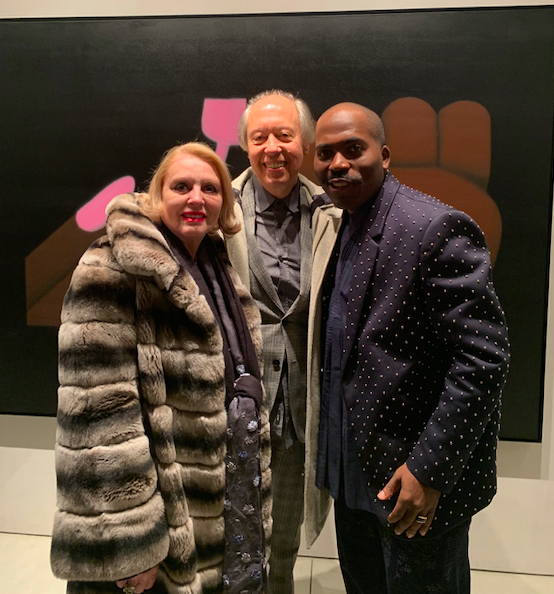
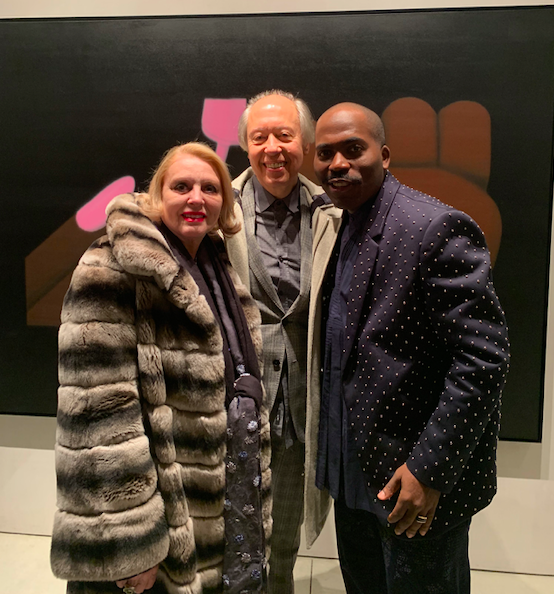
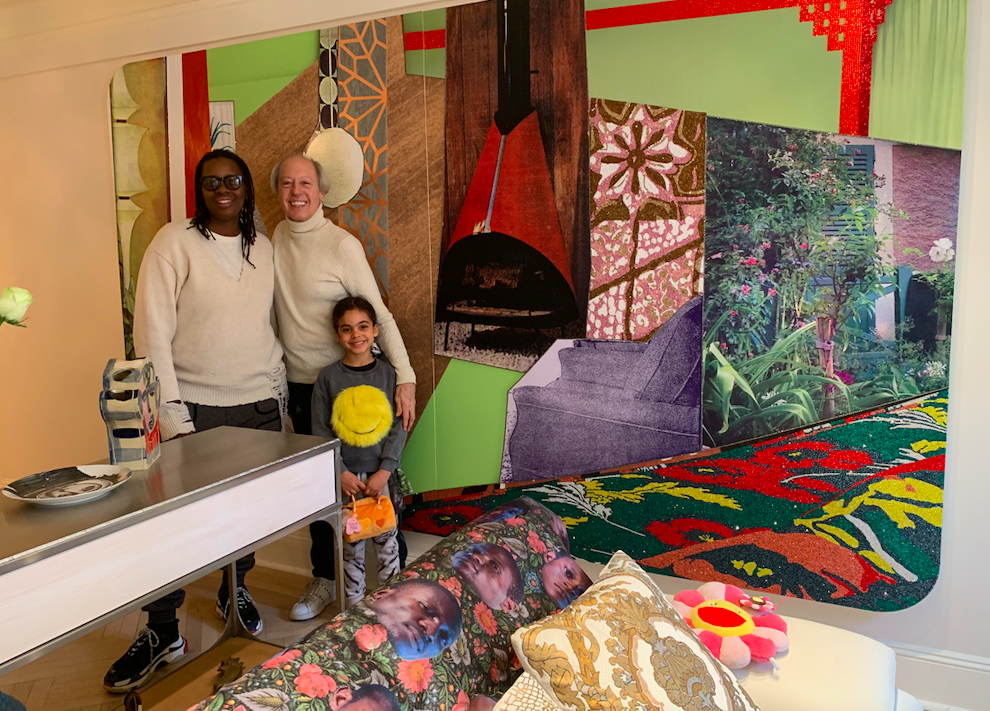
Photo Credit: Ellen Donahue, Ronald Sosinski and Derrick Adams
Throughout the history of contemporary art, visionary collectors and gallerists have often served as the essential bridge between artistic innovation and institutional recognition. Long before museums, auction houses, and the broader market validate an artist’s significance, it is frequently a discerning collector or independent dealer who recognizes the transformative potential of an emerging practice. Ronald Sosinski belongs to this distinguished tradition. His career has been defined not simply by acquiring works of art, but by identifying artists at pivotal moments in their development, championing ambitious work, and fostering the intellectual and cultural conditions necessary for artists to thrive. His commitment reflects a philosophy of collecting grounded in scholarship, connoisseurship, and long-term stewardship rather than speculation.
As the founder of Proposition Gallery, Sosinski established a reputation for presenting artists whose practices would go on to shape the discourse of contemporary art. Among those who received early exhibitions through the gallery are Derrick Adams, Mickalene Thomas, Kehinde Wiley, and Alfredo Martinez, artists whose careers have since achieved significant institutional and international recognition. His accomplishments, however, extend beyond identifying exceptional talent. Sosinski’s enduring contribution lies in his unwavering belief that galleries should function as cultural laboratories where experimentation, dialogue, and critical inquiry take precedence over market trends. At a moment when the contemporary art world continues to negotiate the balance between commerce and cultural responsibility, Ronald Sosinski’s career stands as a compelling reminder that the most influential collectors and gallerists are those who invest not only in works of art, but in artists, ideas, and the future of culture itself.
Killian Smythe: Proposition Gallery introduced artists such as Derrick Adams, Mickalene Thomas, Kehinde Wiley, and Alfredo Martinez before they became internationally recognized. What qualities did you recognize in their work that convinced you they deserved an exhibition?
Ronald Sosinski: Originality in use of materials. Culturally triggering imagery. Endless ingenuity of thought and process.
KS: How do you distinguish between work that reflects contemporary trends and work that possesses lasting historical significance?
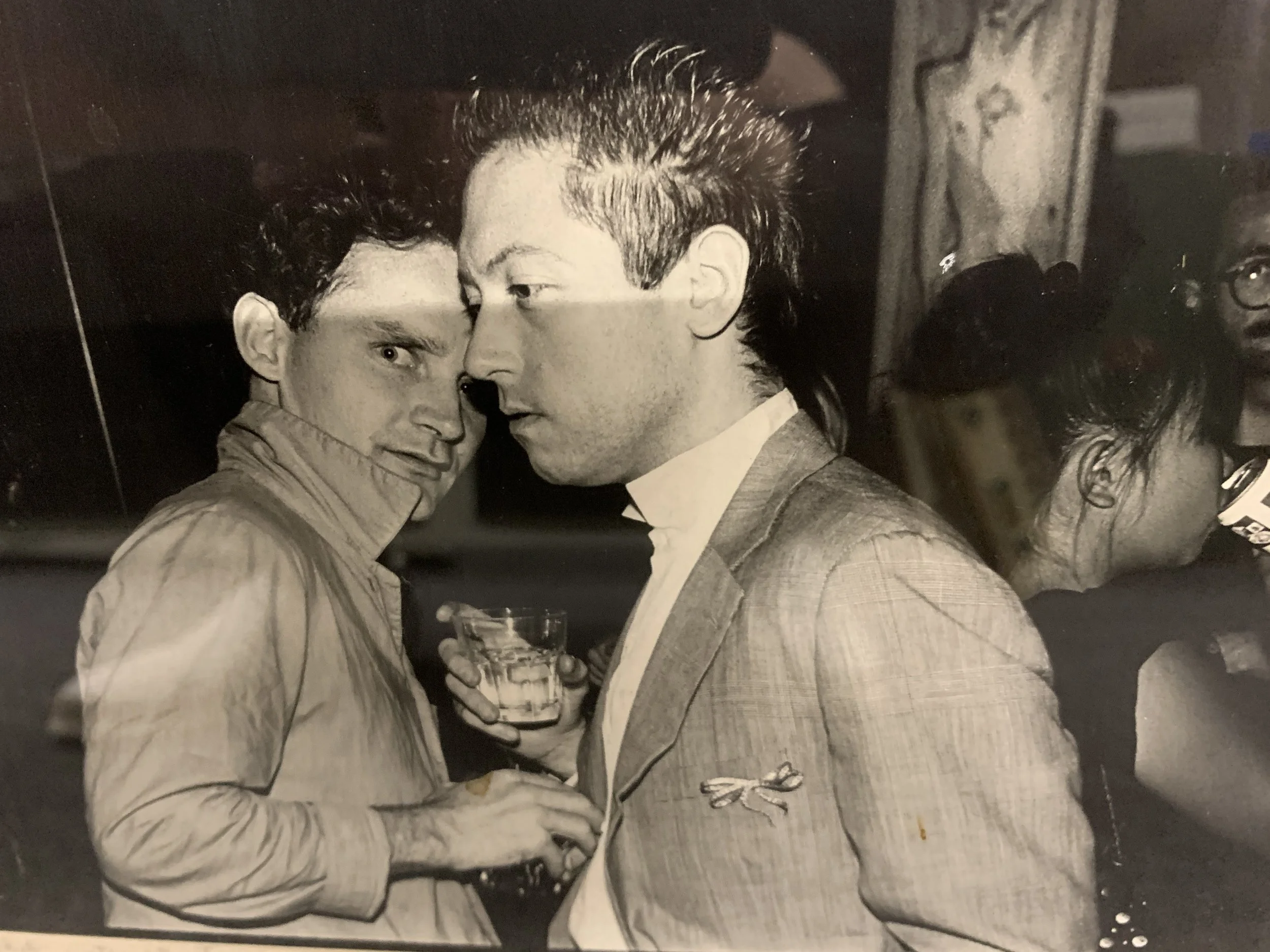
Richard Hambleton and Ronald Sosinski Photo Credit: Diana Mara Henry
RS: Queer and Black artists are now having a moment, 20 years ago ... not so much. This work is historically culturally significant not as a trend but as Truth.
KS: Looking back, did you recognize that these artists would eventually become central figures in contemporary art, or were you simply responding to the strength of the work itself?
RS: It is my job to find artists who will be central figures in Contemporary Art as Mickalene Thomas, Kehinde Wiley, Derrick Adams and Alfredo Martinez have become. There is no guarantee but for these artists, it has happened. They have secured their places in history.
KS: How much of collecting is intuition, and how much is the result of years spent studying art history and visual culture?
RS: It is a combination of all these influences. But, as they say, “buy what you love”.
KS: What responsibilities does a gallery have in developing an artist’s career beyond simply selling artwork?
RS: Creating a group of critical followers is crucial to development of the artist’ work. Bringing trained eyes in to view and comment is invaluable to the growth process. Both for the director/curator and the artist
KS: How do galleries influence the historical narratives that museums and institutions later adopt?
RS: Galleries are the fertile soil which allow for ideas and visions to grow. These are the narratives which Museums and institutions later legitimize.
Richard Hambleton and Ronald Sosinski Photo Credit: Diana Mara Henry
KS: Throughout history, collectors have shaped the trajectory of art. How do you understand the role of contemporary collectors in preserving culture?
RS: Contemporary collectors preserve culture simply by funding art through Gallery purchases and Museum support.
KS: Do collectors have an ethical responsibility to support artists before institutional validation, rather than aftermarket success?
RS: If investment is the goal, there is no sense of ethical responsibility.
KS: What distinguishes collecting as cultural stewardship from collecting as financial investment?
RS: True collecting is cultural stewardship.
KS: How should collectors think about legacy? Is building a collection ultimately about personal taste or contributing to cultural history?
RS: All collecting is to some degree matter of personal taste. What happens to the collection is a matter of legacy. If the collection is publicly displayed or left to a museum, it has the chance to contribute to cultural history.
KS: What conversations are today’s emerging artists having that previous generations were unable or unwilling to address?
RS: Choice of representation with a Global outlook. Artist’s control over where, when and how.
KS: Which artistic movements or practices do you believe remain underrepresented within museums and major collections?
RS: Queer practice slowly creeping in. Example: Uman, a trans/black artist exhibiting at the Hessel Museum at Bard.
KS: Proposition Gallery operated during an important moment in New York’s cultural history. What made that period so intellectually dynamic?
RS: Unfortunately, many young artists’ main goal is fame and money. This is a result of the increased commercialization of the contemporary art market. This system is collapsing because the auction houses are unable to maintain the escalating prices achieved by selling directly from the artists’ studios or by selling too quickly after acquisition.
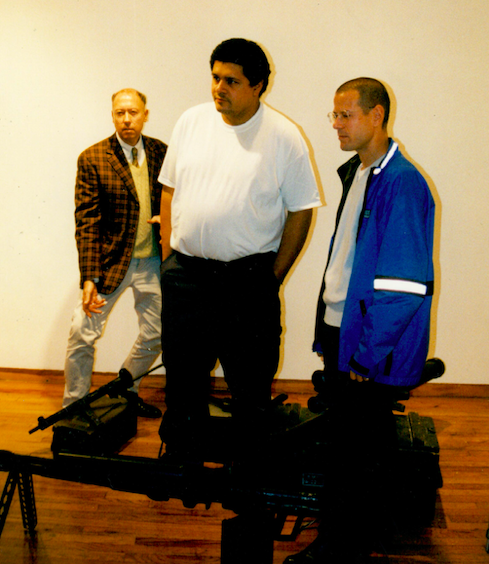
Photo Credit: Alfredo Martinez, Ronald Sosinski and Kenny Schachter
KS: How have neighborhoods such as Tribeca, SoHo, Chelsea, and the Lower East Side transformed the relationship between artists, galleries, collectors, and audiences?
RS: Having New York City in a state of economic and physical collapse allowed all the pressure for possible financial gain through marketing and sales to disappear. This created a vacuum of endless creativity.
KS: Has the globalization of the art market strengthened contemporary art, or has it encouraged greater conformity?
RS: The globalization of the art market has strengthened contemporary art simply by broadening the scope of artists and artworks available for consumption.
KS: How have neighborhoods such as Tribeca, SoHo, Chelsea, and the Lower East Side transformed the relationship between artists, galleries, collectors, and audiences?
RS: The main factor in gallery location has always been rent. Rent is the one element that cannot be ignored. No rent—no gallery. Neighborhoods have generally been chosen based on availability and cost, even though certain locations were possibly dangerous and hard to access. Proving, once again, that artists, collectors, and audiences will follow despite inconvenience and danger.
KS: When you encounter an unfamiliar artist today, what is the first thing you look for?
RS: Something intriguing, something unfamiliar that I need to explore further.
KS: Can originality still exist in an age saturated with images, social media, and artificial intelligence?
RS: Definitely, originality is the heart and soul of the artist.
KS: Which artists working today do you believe deserve significantly more critical and institutional attention?
RS: There are many, depending on your point of view and your willingness
to perceive without prejudice or judgment.
KS: What role should museums play in correcting historical omissions and expanding the canon of contemporary art?
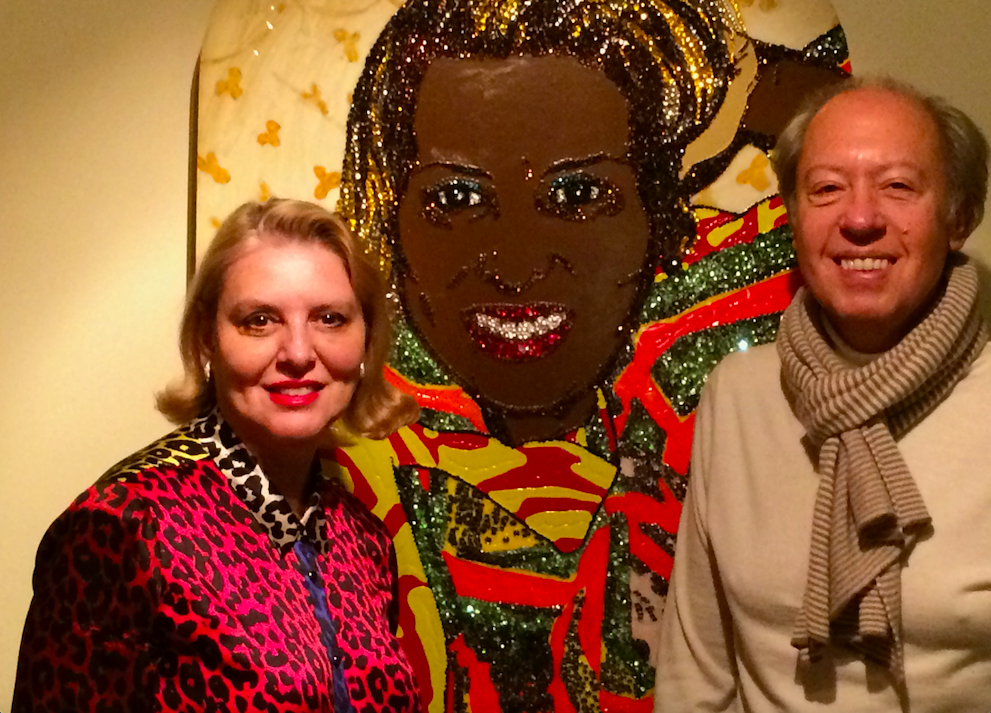
Photo Credit: Ellen Donahue and Ronald Sosinski
RS: The role of correcting historical omissions and expanding the canon of contemporary art is now being covered quite extensively by the mega multi- international galleries, who have the funding to accomplish what museums cannot.
KS: Do museums sometimes follow the market rather than lead critical discourse?
RS: Many times... since the boards of trustees of museums are populated with wealthy collectors who prefer to see the works that they own, and which will later be donated to the museums, creating massive tax losses for the collectors.
KS: What advice would you give young collectors hoping to build meaningful collections rather than fashionable ones?
RS: Choose exquisite works with a strong moral background.
KS: What qualities should emerging artists cultivate if they hope to sustain a lifelong practice?
RS: Search for Truth and be honest in expressing and portraying your ideas.
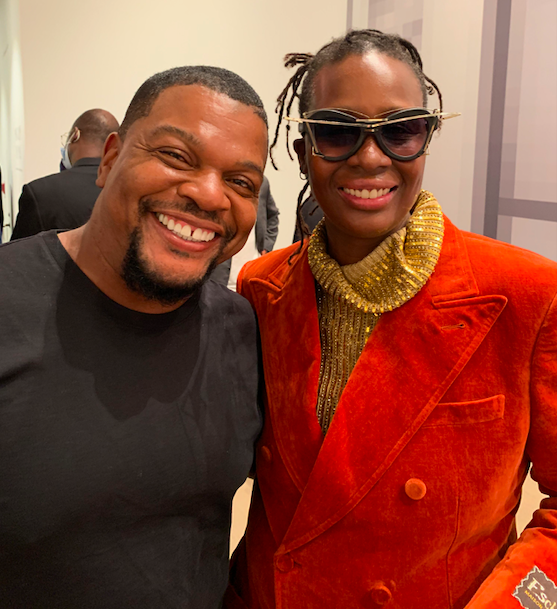
Photo Credit: Kehinde Wiley and Mickalene Thomas
KS: Looking back over your career, what decisions are you most proud of?
RS: Creating The Proposition. After 15 years in the East Village and SoHo, the gallery relocated to Chelsea as The Proposition. This change allowed for a new group of artists—Mickalene Thomas, Kehinde Wiley, Shinique Smith, and eventually Derrick Adams—to enter and become my new focus, while also creating a new ‘tight, family unit.’ Alfredo Martinez was a rare example of an original artist from the gallery’s beginning to come along and be shown in Chelsea. No longer a public space, The Proposition International Projects provides a venue for me to continue as a curator and writer.
KS: Lastly, how would you like Proposition Gallery and your contribution to contemporary art history be remembered?
RS: I would like to be remembered for my boldness of choice and my relentless pursuit of the new and exciting.