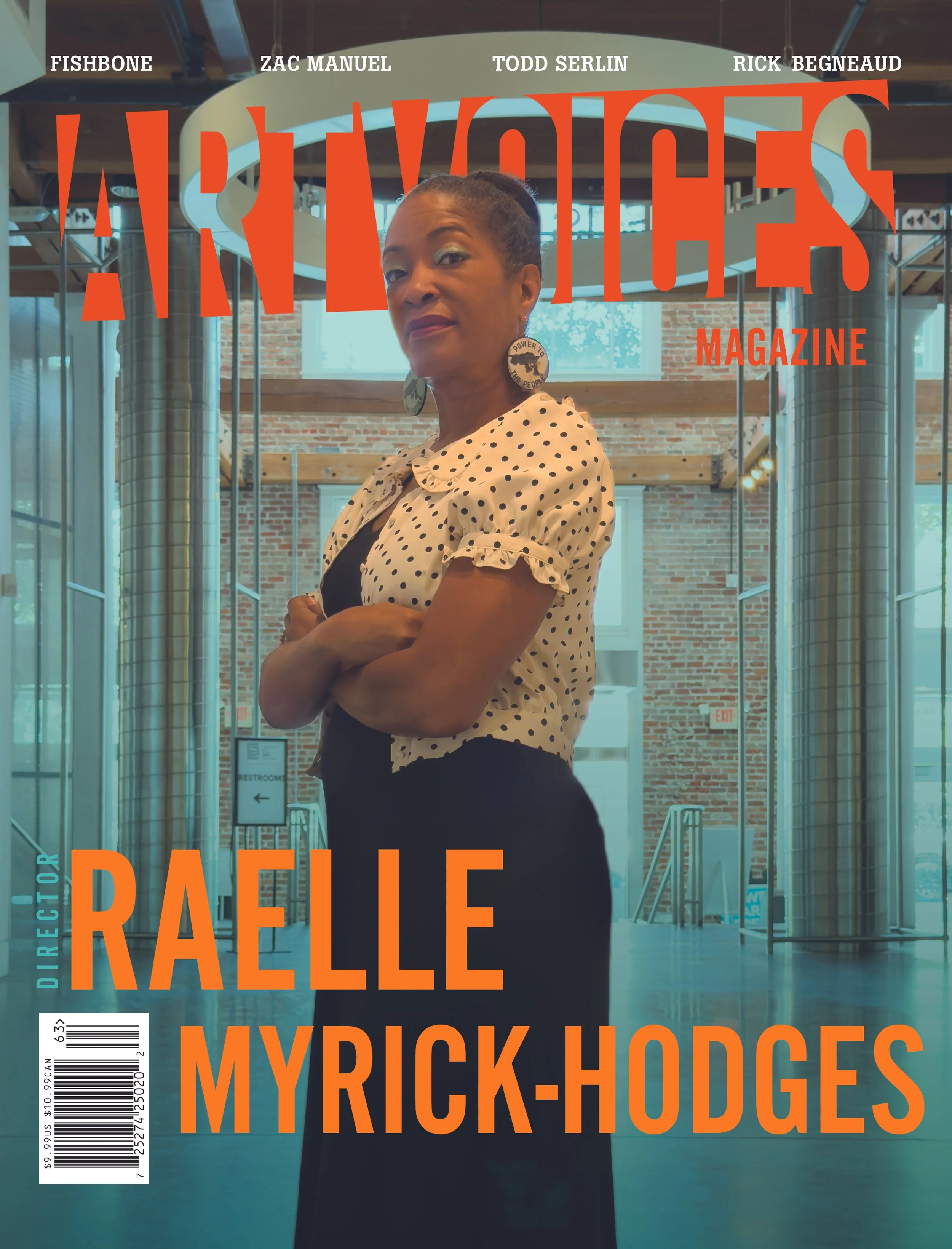
ART MATTERS: CAC Executive Director Raelle Myrick-Hodges
“Collectors, patrons, and corporate sponsors help keep museums alive by funding exhibitions, research, and new acquisitions. But writing the check shouldn’t mean choosing what hangs on the wall.”
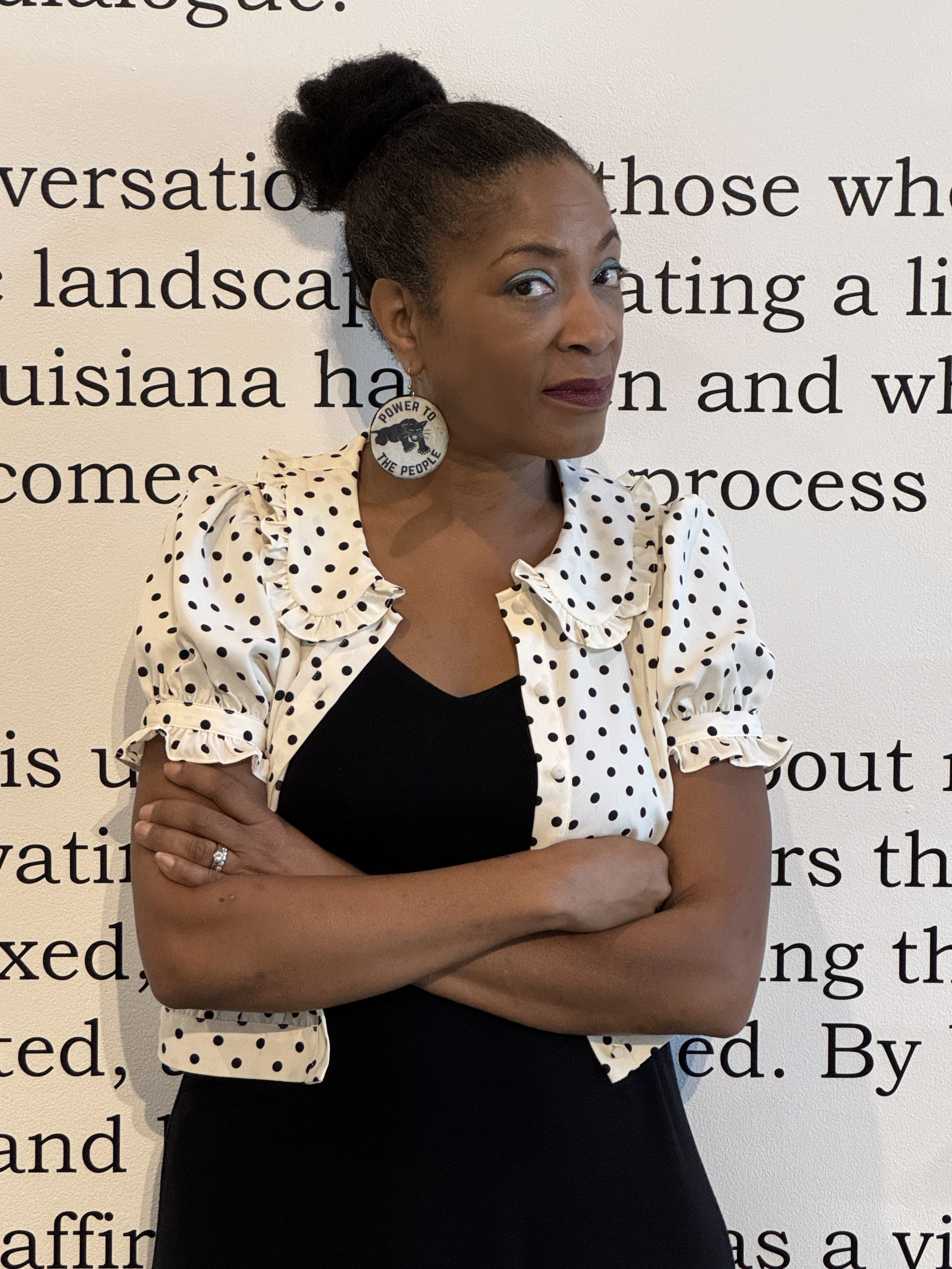
Leadership within contemporary art institutions demands more than administrative expertise; it requires the ability to cultivate artistic innovation, expand public access to culture, and create meaningful dialogue between artists and the communities they serve. As Executive Director of the Contemporary Arts Center (CAC) New Orleans, Raelle Myrick-Hodges brings to the institution an interdisciplinary vision shaped by her distinguished career as a director, producer, playwright, educator, and cultural leader. Her practice has consistently emphasized collaboration, artistic excellence, and the transformative role of the arts in civic life, reflecting a belief that cultural institutions are not merely venues for exhibition and performance, but essential spaces for public engagement, critical inquiry, and creative exchange.
Under Myrick-Hodges's leadership, the CAC enters a new chapter that builds upon its longstanding legacy as one of the Gulf South's most influential contemporary arts institutions. Her commitment to supporting artists across disciplines while fostering partnerships, expanding educational opportunities, and strengthening community engagement signals an understanding that the vitality of an arts organization is measured not only by the quality of its programming, but also by its capacity to nurture creative voices and respond to the cultural questions of its time. At a moment when arts institutions are reimagining their roles within rapidly changing social and economic landscapes, Raelle Myrick-Hodges represents a generation of cultural leadership that views artists as catalysts for dialogue, innovation, and lasting civic impact.
Jameson Stokes: How do you define the role of a contemporary art institution in today's cultural and social landscape?
Raelle Myrick-Hodges: It’s a profound question, and one I’m still exploring as we navigate an evolving social and political landscape. What I do know is that I have little fear of art institutions place within it. Art has always endured skepticism, whether dismissed as elitist or questioned for its practical value, but its greatest contribution is its discourse in moments of conflict, communion in times of isolation, and inspiration in the face of fear.
The role of contemporary art institutions is not to have all the answers, but to remain steadfast in their mission: to create spaces where ideas are exchanged among people who might otherwise never meet. In that sense, the art center is one of the essential civic institutions of the twenty-first century. It is and will continue to be a place where we cultivate the qualities that make us most fully human: curiosity, empathy, imagination, and connection.
JS: What distinguishes the CAC from other contemporary art institutions across the United States?
RMH: We are in New Orleans. That alone changes the conversation. The Contemporary Arts Center New Orleans has always drawn its inspiration from the extraordinary creative ecosystem that surrounds it. This city is far more than an incredible crawfish boil and unforgettable music. It is home to visual artists, performers, musicians, cabaret artists, and makers whose work resonates across the world. We are fortunate not to have to manufacture an arts community because it already exists here! And, in remarkable abundance.
The CACNO is an arts center wrapped inside a larger-than-life city that is refreshingly free of pretension. We are a small team at the CACNO with ambitious ideas, deep relationships, and an enduring belief that artists deserve institutions willing to grow alongside them.
JS: The CAC serves artists, audiences, and the broader New Orleans community. How do you balance local engagement with presenting work that participates in national and international conversations?
RMH: Balancing those priorities is one of our team's greatest responsibilities. New Orleans possesses an extraordinary concentration of artistic talent and creative energy, so our guiding philosophy is simple: "We Compliment, we do not Compete." The CACNO is a space in between, a phrase coined by Meklit Hadero (Ethiopian singer) and Todd Thomas Brown (painter), which means our service is to look in the spaces in between and not the obvious.
One of my goals during this first year has been to create clarity around our role as an arts center. We cannot, and should not, attempt to present everything happening in this remarkable city. Instead, our responsibility is to strengthen what exists in the nooks and crevices of the region, while introducing artists and audiences to conversations taking place nationally and internationally.
If we support our local creative community while bringing work that challenges, inspires, and expands perspectives, then we are fulfilling our mission. Our success lies not in competing with New Orleans' vibrant cultural landscape, but in enriching it.
JS: What responsibilities do museums and contemporary art centers have to support living artists beyond exhibiting their work?
RMH: Museums and contemporary art centers have a responsibility to see artists not simply as producers of objects, but as the thinkers who help society imagine itself. Throughout history, the institutions that have mattered most, from the workshops of the Renaissance to artists salons of nineteenth-century Paris, to the experimental spaces that championed artists throughout the 70s east village, art centers did more than exhibit work. They created the conditions for artistic ideas to flourish.
It is the same responsibility for the CACNO. Supporting living artists means investing in time, research, dialogue, and risk. It means commissioning ambitious projects, providing resources that allow artists to experiment without the pressure of immediate commercial success. It also means preserving the intellectual context around their work so that today's conversations become tomorrow's cultural history.
An art center should be a laboratory, not simply a gallery. Our role is to champion curiosity over certainty and process over product. I want to create an environment where artists can challenge conventions and where audiences can encounter ideas that reshape how they see the world. The exhibition is only the beginning, the real work is sustaining the ecosystem that allows artists and art centers together, and the culture they help define, to thrive.
JS: How does the CAC cultivate meaningful relationships with artists throughout their careers rather than at isolated moments?
RMH: I can only speak to the philosophy I hope to cultivate...As a practicing theater artist, I come from a discipline where long-term relationships are simply part of the culture. Artists grow together. They return in new roles, collaborate across disciplines, and evolve over decades. I hope to bring more of that spirit to the CACNO. Every artist's journey is different, so I don't believe in a single formula for artistic development. Instead, I believe institutions should remain present throughout an artist's initial evolution, and, not only when there is an exhibition to announce, but through conversations, partnerships, commissions, and opportunities that recognize careers as living, changing practices. I hope to make Observerships that are for the artists curious in other disciplines to inform their work. I want artists to play more. We have taken the discovery for the artist out of the conversation. We, as institutions, have made the artist the object and not their work or process. I want to participate in making artists feel encouraged to advocate for themselves and no, that is not always easy, but it is the vision of how we wish to work: in conversation and collaboration with the artists we present.
JS: New Orleans has a globally recognized cultural identity. How do you see the city's visual arts community evolving, and what opportunities and challenges lie ahead?
RMH: Prospect demonstrated the extraordinary potential of New Orleans within national and international contemporary art conversations. It offered the city a powerful lens through which the world could engage with our artists.
Moving forward, I would love to see even more thoughtful curatorial dialogue within our local arts community and a greater openness to welcoming international curators, collectors, and scholars into artists' studios and galleries throughout the city.
Perhaps the greatest opportunity is also the greatest challenge: reminding New Orleans artists that they are already part of an international conversation. They belong on that stage. Contemporary practice today thrives through dialogue as much as declaration, and our artists have every reason to participate confidently in those broader discussions.
JS: How does the CAC contribute to the city's creative economy and cultural identity?
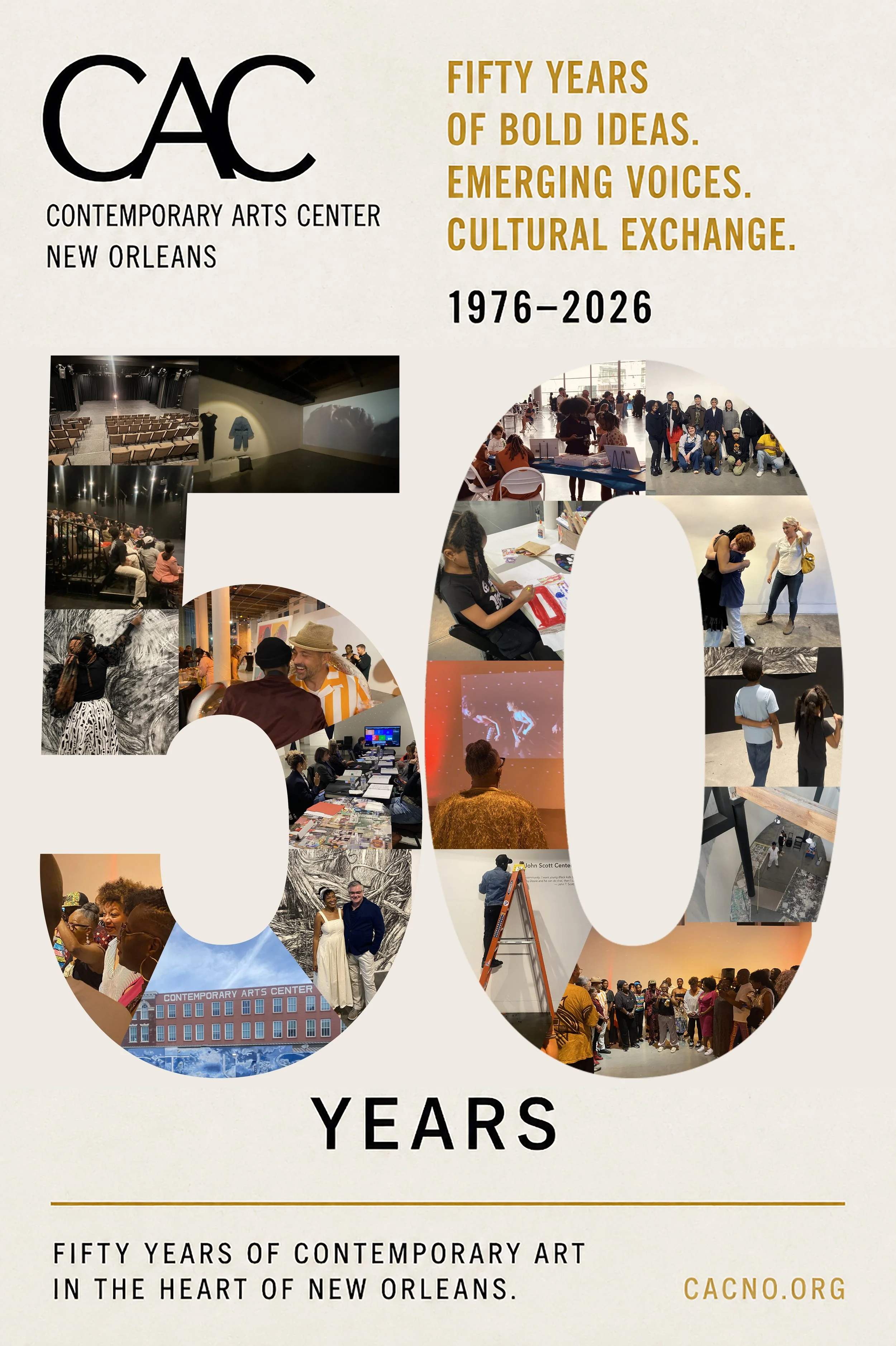
RMH: The Contemporary Arts Center New Orleans has been here for Fifty Years. Full stop.
That longevity matters. Like many of New Orleans' defining cultural institutions, the CACNO has shaped generations of artists and audiences. With anywhere from 8,000 to 15,000 visitors in a season, and hundreds of visual art, theater, music and dance presentations. Numerous organizations and creative initiatives began within these walls because the CAC has always believed in serving as a home for multiple artistic disciplines and communities.
Our contribution isn't simply measured in exhibitions or performances, but it reflected in decades of relationships, collaborations, and the creative infrastructure we've helped build.
JS: What qualities do you look for when developing exhibitions and selecting artists for the CAC's program?
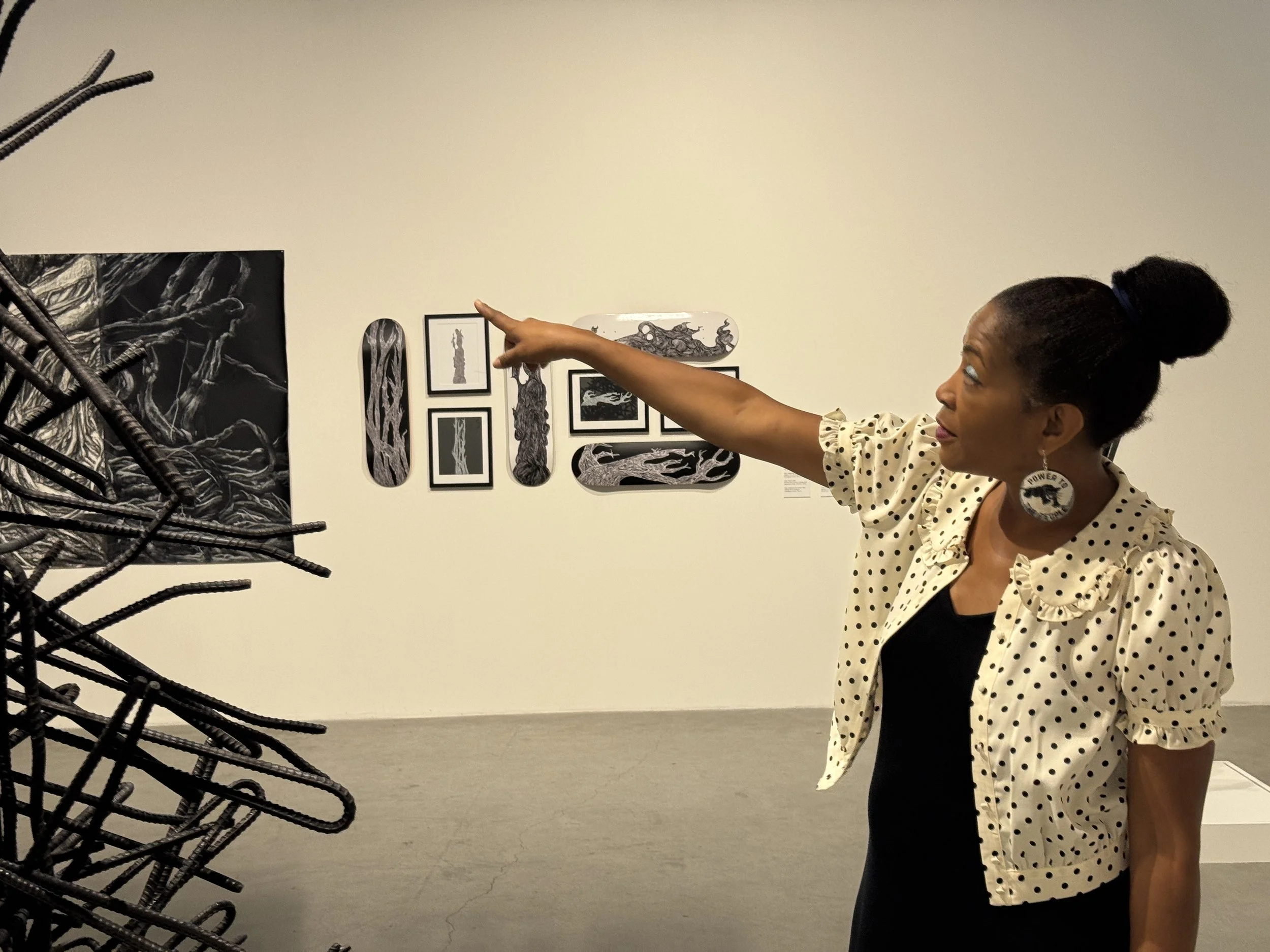
RMH: My own visual arts foundation began in photography, but I also rely heavily on the expertise of guest curators, international gallerist and collectors. For me, it always begins with the artist's practice. I'm drawn to artists like Vanessa L. German and Andrew Schneider, whose work invites audiences to consider not only how something is made but why it exists. We’re interested in artists who are deeply committed to a sustained practice: actively living the discipline every day. Vision, curiosity, rigor, and consistency matter as much as recognition. In fact, there's a good chance you won't recognize every artist's name when they first exhibit at the CACNO, my hope is that three to five years later, you absolutely will.
JS: How do you balance historical exhibitions with the presentation of emerging voices?
RMH: I'm still exploring what that balance should look like for this organization. That said, I sometimes wonder whether all voices are, in some sense, still emerging. Every generation reintroduces artists through new scholarship, changing cultural contexts, and fresh audiences. History and emergence aren't opposites they're often part of the same conversation.
JS: How does the CAC approach accessibility, equity, and inclusion in its exhibitions, educational programming, and community partnerships?
RMH: Our staff includes administrators, artists, and cultural bearers whose personal histories reflect Indigenous, African diasporic, immigrant, and many other lived experiences. The founders of the CACNO always were allies, no matter what their personal backgrounds, so in terms of accessible building, they also had that on lock!
Accessibility, equity, and inclusion are not separate initiatives for the CACNO. It is how we live daily in our bodies and minds. These ideals are woven into how we build partnerships, develop programming, and welcome audiences. Our goal is to present the full complexity of contemporary culture while ensuring more communities see themselves reflected within our institution.
JS: What barriers still exist for artists from historically underrepresented communities, and how can institutions help address them?
RMH: Many of the barriers remain frustratingly familiar: access to affordable studio space, critical dialogue, materials, grants, residencies, and sustained institutional support. Ultimately, the United States has historically underinvested in artists and the act of making art itself. Institutions cannot solve every structural challenge alone, but we can advocate, create opportunities, invest in artists over time, and build networks that help creative careers become more sustainable.
JS: How do you measure success when building a more inclusive arts organization?
RMH: Success cannot simply be measured by attendance numbers or ticket sales. For me, success begins with relationships...relationships between the CACNO and the New Orleans community, between local artists and national opportunities, and between audiences and ideas they may not have encountered otherwise. This work takes time. It requires a supportive board, a dedicated staff, genuine collaboration, and patience. If we are building meaningful partnerships that continue long after an exhibition closes, then we are measuring the right things.
JS: Public funding, philanthropy, and private support all influence nonprofit arts organizations. How do you balance financial sustainability with artistic independence?
RMH: All Arts organizations everywhere are rethinking their relationship to philanthropy. The funding landscape has changed dramatically. Federal support has declined, state resources have become increasingly limited, and nonprofit arts organizations are navigating unprecedented challenges.
That reality means, we cannot simply ask for support, we must earn it through relevance, accountability, and meaningful public service. This is what I have been saying for two decades: if we are in a landscape where art is no longer part of education, and the idea of art is influencing, we will all need to rethink the work ethic it will take to stay open and stay relevant. Gatekeeping is how many of us got to this place of no community support and deeply rooted in funding whether federal, state or private. The CACNO is a working-class institution, no matter how pretty the building is. The CACNO from its inception has had to find earnings to stay open and we will continue to work on ways to earn our funds to be available for supporting the art ecosystem.
Financial sustainability should never compromise artistic integrity. Rather, it should strengthen our ability to serve artists and audiences with independence, imagination, and purpose.
JS: What role should collectors, patrons, and corporate sponsors play in shaping—or not shaping—an institution's artistic direction?
RMH: Collectors, patrons, and corporate sponsors help keep museums alive by funding exhibitions, research, and new acquisitions. But writing the check shouldn't mean choosing what hangs on the wall.
Artistic decisions belong to curators and scholars, not the highest bidder. If sponsors have too much influence, museums risk becoming more like advertisements than cultural institutions. The best partnership is simple: donors provide support, museums provide the vision. That way, art serves the public—not just the people with the biggest wallets.
JS: Looking ahead, what changes would you like to see in the contemporary art ecosystem over the next decade?
RMH: I find myself asking more questions than offering definitive answers and I apologize for that. However, I'm interested in how we define gatekeeping versus cup of tea... how the growing influence of social media shapes artistic discourse... and how we continue dismantling persistent myths surrounding women artists and artists of color. One issue I care deeply about is ageism. Too often, accomplished artists whose practices are thriving, but perhaps not highly fashionable, are overlooked or completely dismissed. And yet, they have incredible bodies of work, defining beautiful & heartbreaking journeys as visual artists or performers. Many women artists, in particular, continue to experience this inequity. I'd also love to see deeper collaboration between visual and performing arts as disciplines rather than a parlor trick presentation of sensationalizing the artists. Performance is not simply an accessory to visual art or vice versa- it is a vital artistic discipline in its own right. Likewise, performing arts presenters can learn from visual artists in meaningful ways. My hope is that over the next decade our disciplines become more curious about one another...not merely to survive together, but to thrive together.
JS: What has been the most rewarding aspect of leading the CAC?
RMH: The most rewarding is working towards getting the organization in rhythm with local community and national performance cohorts over the coming season, and then reintroducing the CACNO and New Orleanian visual artists to an international landscape. The rewarding part has been I came in eight months ago with a swelling debt that, by the end of fiscal, and was able to get the debt in control is one example. This 2026-2027 season will be the reward: a growth back into community, curious audiences and hopefully inspiring audiences. The rewards are being able to support artists such as Carol Scott, among others. To collaborate with the new performing arts community and make way for contemporary art that has a vibrant avenue into discovery.
JS: How has your understanding of leadership evolved through your work in the arts?
RMH: Theater teaches leadership every single day. A stage director is responsible for guiding a production from vision to opening night while collaborating with actors, designers, unions, producers, agents, children, and occasionally someone's very determined stage manager or lawyer. The performing arts have long wrestled with questions surrounding workplace culture, inclusion, boundaries, and shared leadership. Those experiences have shaped how I lead today. I also recognize my own learning curve. Photography was my first visual arts language, but contemporary visual art continues to expand my perspective. Leadership isn't about having every answer, but it is about remaining curious, welcoming expertise of others, and continuing to learn from staff and trustees. Fortunately, theater prepared me well for that.
JS: What legacy do you hope to leave at the Contemporary Arts Center? Legacy? Legacy is a big word.
RMH: What I hope to leave behind is an institution that consistently supports New Orleans artists while bringing remarkable work from beyond our city into conversation with our region. If someone says, "We should go to New Orleans and visit the Contemporary Arts Center! I hear they're showing some cool local artists, and apparently there's an incredible performance from, well fill in the blank, happening that night, too," I'd consider that a wonderful outcome.
If the CAC becomes a place of artistic discovery, genuine collaboration, and a refuge from creative isolation, then that is a legacy I would be honored to build.
FEATURE IN THE WINTER ISSUE OF ARTVOICES MAGAZINE AVAILABLE EVERYWHERE MAGAZINE & BOOKS ARE SOLD!!!